
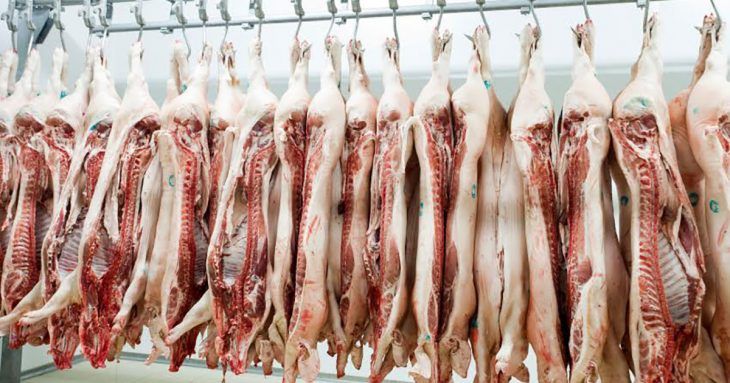
The Global Rise of Pork Meat Export
The international meat trade is booming — and pork meat export plays a leading role in driving this growth. As the world’s most widely consumed meat, pork accounts for over one-third of total meat consumption globally.
From European Union to China and United States, demand for fresh and frozen pork continues to rise. Exporters who understand market trends, consumer expectations, and regulatory challenges can tap into billions of dollars in trade opportunities.
1. Why Pork Meat Export Is Growing
Several factors are fueling the global expansion of pork exports:
-
Rising demand for affordable protein sources in developing markets
-
Improvements in cold chain logistics and storage
-
More efficient pork processing and packaging technologies
-
Expanding consumption in Asia, particularly China, Vietnam, and Philippines
-
High production capacity in top exporting countries like Brazil, Spain, and Germany
Exporters can benefit from stable and high-volume pork trade flows, especially in frozen pork products such as ribs, loins, legs, and offals.
2. Top Pork Exporting Countries
The global pork market is dominated by a few key exporters.
Leading Pork Exporting Nations:
-
European Union – the world’s largest pork exporter.
-
United States – strong demand for pork cuts and offals.
-
Brazil – rapidly expanding its pork export footprint.
-
Canada – well-regulated and trusted supplier.
-
Chile – competitive exporter in Asia.
In recent years, Brazil has gained a competitive edge due to cost-efficient production, halal certification capabilities, and strategic logistics.
3. Popular Pork Export Products
Importers around the world look for a variety of pork meat export products to meet different consumer preferences:
-
Pork ribs and bellies (high demand in Asia)
-
Pork loins and tenderloins (premium cuts for restaurants)
-
Pork legs and shoulders (bulk supply for processors)
-
Pork offals (high-value niche markets)
-
❄️ Frozen pork packages (cost-efficient shipping)
Exporters who offer custom packaging and flexible portioning gain better market access.
4. Cold Chain & Packaging Requirements
Maintaining quality during transit is essential in pork meat export.
Key Cold Chain & Packaging Standards:
-
Temperature control at -18°C or lower
-
Use of reefer containers with data loggers
-
Moisture-resistant and insulated packaging
-
Labeling with product details, origin, and certification
-
Vacuum sealing or IQF packaging for freshness
Proper packaging not only preserves quality but also ensures smooth customs clearance and buyer confidence.
5. Halal Pork Alternatives: A Market Distinction
While pork is not consumed in Muslim markets, exporters still benefit from regional diversification. Many companies that produce pork also handle halal-certified chicken and beef for Middle Eastern and North African countries.
This allows exporters to balance market risks and diversify revenue streams.
6. Key Importing Markets
The largest importers of pork meat are:
-
China – the biggest pork consumer globally.
-
Japan – focuses on premium cuts and quality assurance.
-
South Korea – strong demand for bellies and ribs.
-
Mexico – high volume imports from the U.S.
-
Vietnam – growing rapidly post-swine flu recovery.
Exporters looking to enter these markets must align with local import standards, labeling regulations, and veterinary certifications.
7. Regulatory & Certification Requirements
Exporting pork meat involves strict compliance with international food safety standards.
Common certifications and documents required:
-
HACCP & ISO 22000 certification
-
Veterinary health certificate
-
Country of origin labeling
-
Sanitary & phytosanitary (SPS) clearance
-
Customs and import permits
In some markets, additional traceability requirements must be met to prove farm-to-fork safety.
8. Opportunities in Pork Meat Export
Pork exporters have several growth opportunities to leverage:
-
Rising middle-class demand in Asia
-
Expanding frozen pork consumption worldwide
-
New processing technologies improving shelf life
-
Demand for sustainable and organic pork in Europe
-
Growth in retail & e-commerce distribution channels
Exporters who invest in quality control, branding, and logistics can secure long-term contracts with importers.
⚠️ 9. Common Challenges Faced by Exporters
Despite the opportunities, there are also key challenges to navigate:
-
Animal disease outbreaks like ASF affecting supply chains
-
Complex trade regulations and tariffs
-
️ Strict cold chain compliance requirements
-
Price volatility in global meat markets
-
Increased demand for transparency and traceability
Exporters must build resilience strategies, such as diversified sourcing, strong logistics partnerships, and compliance automation.
10. Strategic Tips for Pork Meat Exporters
To succeed in the pork meat export business, companies should:
-
✅ Obtain necessary international certifications
-
Build relationships with importers in high-demand markets
-
Invest in cold chain technology and packaging innovation
-
Monitor market trends and price fluctuations
-
Ensure regulatory compliance and clear documentation
Strong branding and reputation are just as important as product quality.
Seizing the Pork Export Opportunity
The pork meat export industry continues to offer massive potential for producers, processors, and trading companies worldwide.
✅ Exporters who:
-
Focus on quality and compliance,
-
Build strong cold chain systems,
-
Stay ahead of regulatory shifts, and
-
Target the right markets
will position themselves as reliable partners for importers and distributors around the globe.
In a rapidly evolving meat trade landscape, pork meat export is not just an opportunity — it’s a competitive advantage.
How to Ensure Halal Compliance for Frozen Beef & Chicken Exports
 English
  Spanish