
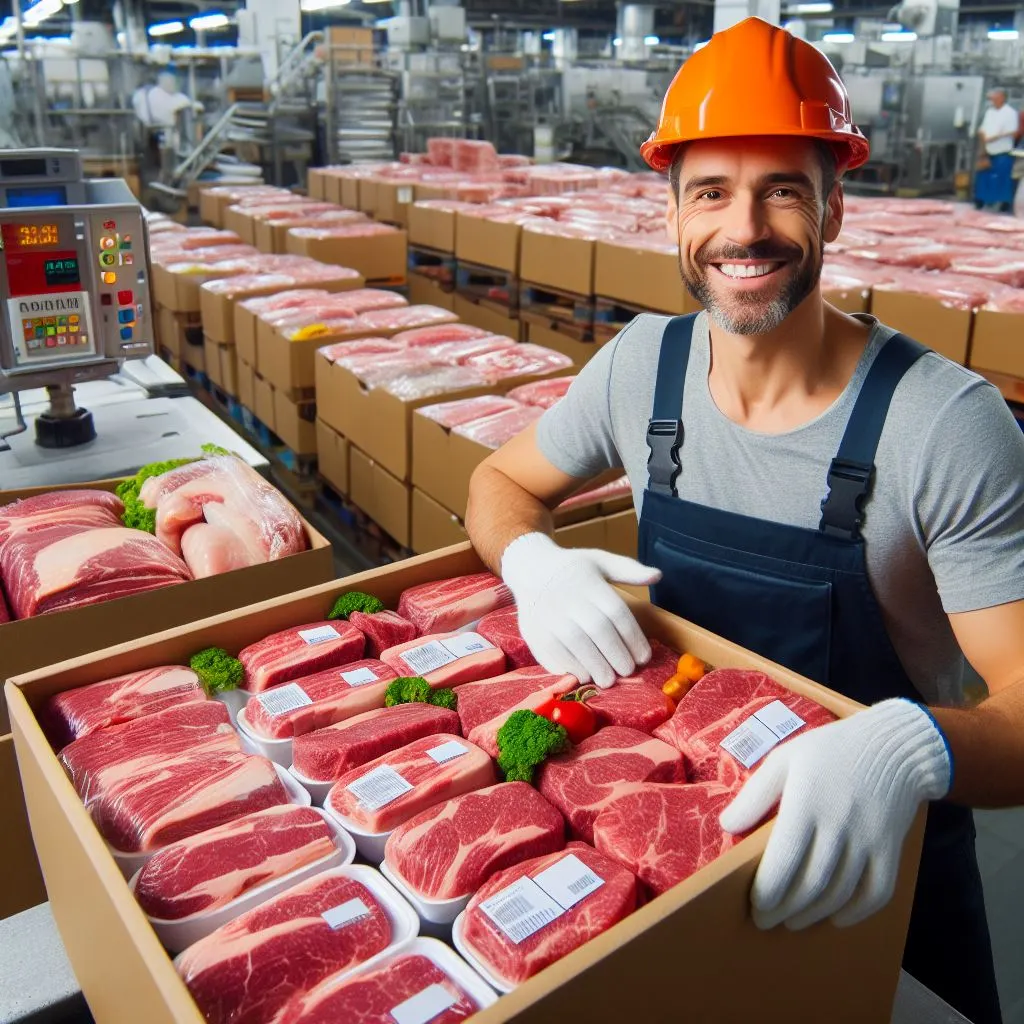
The global demand for meat is growing rapidly, with beef, chicken, and pork among the most consumed proteins worldwide. Countries like Brazil, the United States, India, and Australia lead the way in meat exports, supplying billions of dollars’ worth of products annually.
If you are interested in entering the global meat trade, starting a meat export business can be both profitable and sustainable. But how do you actually become a meat exporter? What steps are required to build a successful beef, chicken, or pork export company?
In this guide, we’ll cover everything from business registration to international logistics to help you understand how to start a meat export business step by step.
Step 1: Research Global Meat Export Markets
Before you begin, you need to study demand and supply trends in different countries. Each market has different preferences:
-
Beef exports: High demand in China, Hong Kong, EU, and the Middle East.
-
Chicken exports: Popular in Africa, Middle East, and Southeast Asia.
-
Pork exports: Strong demand in China, Japan, South Korea, and Europe.
Research which market you want to target and what regulations apply there.
Step 2: Register Your Meat Export Business
To become a legitimate meat exporter, your company must be legally registered. Steps include:
-
Choose a business name.
-
Register as a trading/export company in your country.
-
Obtain a tax identification number.
-
Open a business bank account for international transactions.
Step 3: Obtain Necessary Licenses and Certifications
The meat export industry is highly regulated for safety and quality. You will need:
-
Export License from your local trade authority.
-
Health & Safety Certificates for meat handling.
-
Halal Certification (if exporting to Muslim-majority countries).
-
ISO & HACCP Certification for international credibility.
These certifications build trust with foreign buyers.
Step 4: Build Partnerships with Meat Suppliers
Unless you own a farm or processing plant, you’ll need to partner with beef, chicken, or pork suppliers. Look for:
-
Slaughterhouses & Processing Plants licensed for export.
-
Suppliers who can provide frozen, chilled, or fresh meat.
-
Businesses that comply with international health standards.
Step 5: Packaging and Cold Chain Logistics
Exporting meat requires strict handling. Key considerations:
-
Cold Storage: Maintain meat at correct temperatures (–18°C for frozen).
-
Packaging: Use vacuum-sealed, tamper-proof packaging.
-
Labeling: Labels must meet the importing country’s requirements (nutrition, origin, halal, etc.).
-
Transport: Use refrigerated containers for shipping.
Step 6: Find International Buyers
To grow your business, you need to connect with global meat buyers. Strategies include:
-
Join B2B marketplaces like Alibaba, Tradekey, and Global Sources.
-
Attend international trade fairs (e.g., SIAL Paris, Gulfood Dubai).
-
Network with importers, wholesalers, and distributors.
-
Create a professional export website showcasing your products.
Step 7: Comply with Export & Import Regulations
Each importing country has strict rules for meat imports. Some common requirements include:
-
Sanitary and Phytosanitary (SPS) Certificates.
-
Veterinary Health Certificates.
-
Customs documents: Bill of Lading, Invoice, Packing List, Certificate of Origin.
Working with an export consultant or freight forwarder can make compliance easier.
Step 8: Marketing and Branding Your Meat Export Business
To stand out in the global meat market, invest in strong branding:
-
Create a professional website with product catalogs.
-
Use SEO & content marketing to rank for searches like “frozen beef exporter” or “halal chicken suppliers”.
-
Highlight certifications (Halal, HACCP, ISO) on all platforms.
-
Use social media (LinkedIn, Instagram, YouTube) to build credibility.
Step 9: Manage Payments and Trade Risk
International trade involves financial risk. Protect your business with:
-
Letter of Credit (LC) for secure transactions.
-
Export Credit Insurance to reduce payment risks.
-
Advance Payment Terms for new buyers.
Step 10: Scale and Expand Globally
Once you establish trust with buyers, expand your business by:
-
Exporting to multiple countries.
-
Diversifying into processed meat products (sausages, patties, canned meat).
-
Offering value-added services like branding and private labeling.
Starting a meat export business in beef, chicken, or pork requires careful planning, compliance with regulations, and strong global connections. By registering your business, securing certifications, building partnerships, and marketing effectively, you can become a successful meat exporter in 2025 and beyond.
With global meat consumption projected to rise, now is the perfect time to enter the industry and build a profitable export business.
 English
  Spanish