
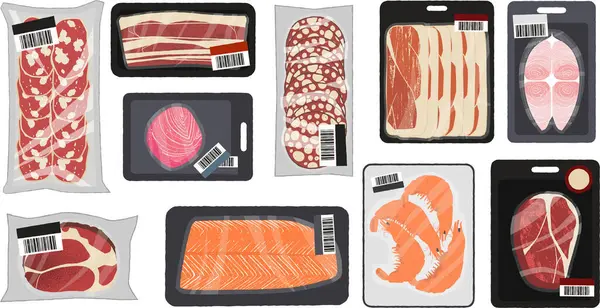
Why Packaging Matters in Meat Exports
When it comes to global meat trade, frozen meat packages are more than just a way to store products — they’re a powerful business tool. Importers judge a shipment not only by the quality of the meat but also by how it’s packaged, labeled, and transported.
A well-packaged frozen meat product:
-
Preserves freshness and food safety
-
Builds buyer confidence
-
Meets importing country regulations
-
Reduces the risk of spoilage during transit
For exporters, understanding what importers expect from frozen meat packages is crucial for winning repeat contracts and entering premium markets.
1. Consistent & Durable Packaging
Importers expect strong, standardized packaging that can handle long international journeys without compromising product quality.
Key Features Buyers Look For:
-
High-strength cartons or vacuum-sealed bags
-
Moisture-resistant and temperature-safe materials
-
Secure palletizing for stable container loading
-
️ Clear labeling in compliance with destination country regulations
✅ Durable packaging protects the meat and maintains its integrity throughout the cold chain.
2. Cold Chain Integrity
Packaging goes hand-in-hand with temperature control. Frozen meat products must remain at -18°C or below from the processing plant to the importer’s cold storage.
What Importers Expect:
-
Reefer containers with temperature loggers
-
Sealed cartons to prevent moisture ingress
-
Use of insulated packaging for added protection
-
Documentation verifying uninterrupted cold chain
Maintaining cold chain integrity is often a contract requirement, especially in markets like European Union, Japan, and United States.
️ 3. Clear and Compliant Labeling
Labeling is a critical part of frozen meat packages because it communicates vital information to importers, customs, and buyers.
Importers Typically Require:
-
Product name and cut type
-
Country of origin (e.g., Product of Brazil)
-
Net weight and packaging date
-
Storage instructions and expiry date
-
Certification logos (Halal, ISO, HACCP)
-
Exporter and producer details
Incorrect or incomplete labeling can delay customs clearance and even result in shipment rejection.
4. Certification and Traceability
Modern importers value transparency. To meet their expectations, frozen meat packages should include traceable and certified information.
Common certifications and compliance marks:
-
✅ Halal Certification (for Muslim markets)
-
ISO 22000, HACCP for food safety
-
Organic or grass-fed labels (for premium buyers)
-
Veterinary inspection and SIF code (for Brazil)
Traceable labeling gives importers confidence in the product’s authenticity and quality.
5. Packaging Sizes That Fit Market Demand
Not all importers want the same packaging format. Exporters who offer flexible packaging sizes have an edge.
Common Export Packaging Options:
-
10 kg cartons (popular for wholesale and restaurants)
-
20–25 kg bulk packs (for processors and distributors)
-
Individually Quick Frozen (IQF) bags for portion control
-
Vacuum packs for premium retail buyers
Providing custom packaging solutions can help frozen meat exporters secure long-term supply contracts.
6. Sustainability Is Gaining Importance
Eco-conscious buyers are increasingly asking for sustainable packaging solutions. This is particularly true in European Union and United Kingdom.
What Sustainable Packaging Can Include:
-
Recyclable or biodegradable carton materials
-
Reduced plastic content
-
Eco-labeling and documentation of compliance
-
Energy-efficient freezing processes
♻️ Exporters that embrace sustainability can access premium buyers and new market segments.
7. Value-Added Features Buyers Appreciate
Top importers prefer working with exporters who go the extra mile.
Some value-added packaging options include:
-
Easy-to-handle cartons with carrying grips
-
QR codes for product traceability
-
Resealable bags for portion control
-
Tamper-proof seals for security
✨ These features differentiate your brand from competitors and increase buyer loyalty.
8. Regulatory Compliance: A Must
Each importing country has specific packaging and labeling regulations. Exporters must:
-
Study market-specific packaging laws.
-
Comply with veterinary and sanitary requirements.
-
Provide documentation that proves compliance.
-
Work with reliable freight forwarders and inspection agencies.
Non-compliance can lead to costly shipment delays or returns.
Packaging Is a Key Selling Point
In the world of meat exports, frozen meat packages are more than just containers — they’re a reflection of your brand, quality, and professionalism.
Importers expect:
-
✅ Strong, standardized packaging
-
Proven cold chain control
-
️ Clear labeling and traceability
-
Certification and compliance
-
Sustainable and smart packaging features
Exporters who meet (and exceed) these expectations stand out in competitive markets, win larger contracts, and build long-term international partnerships.
Exporting Chicken Wings: A High-Demand Product for Frozen Chicken Exporter
 English
  Spanish