
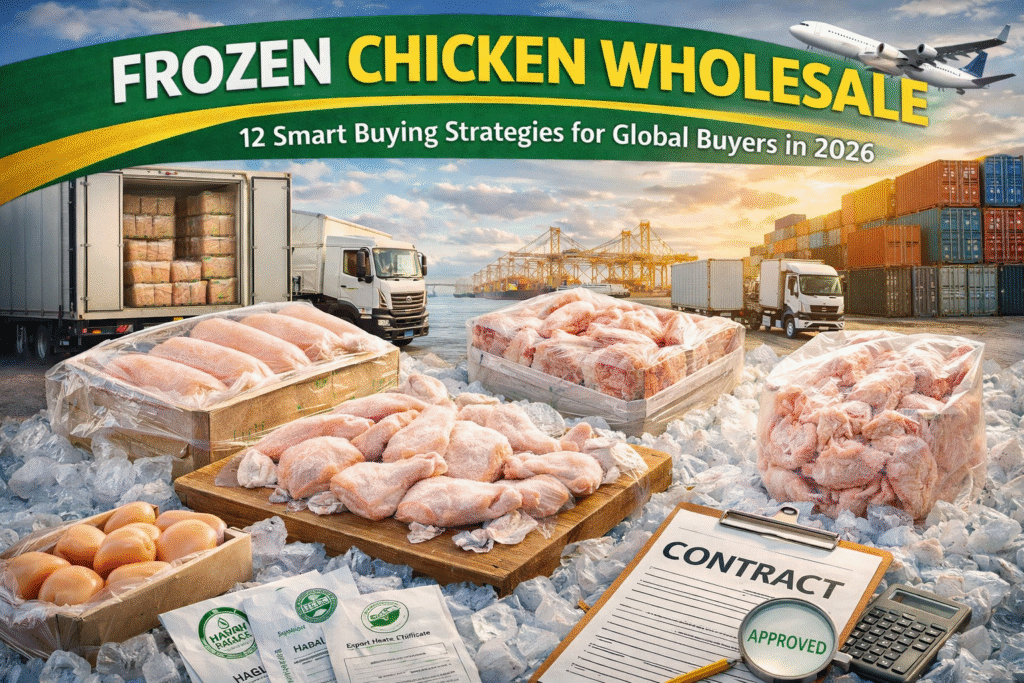
Introduction to Frozen Chicken Wholesale
Frozen chicken wholesale plays a critical role in the global food supply chain. From supermarkets and restaurants to food processors and distributors, businesses rely on bulk frozen poultry to maintain consistent supply, stable pricing, and long shelf life.
As demand for affordable protein continues to rise worldwide, frozen chicken has become the preferred option for large-scale buyers. Unlike fresh poultry, frozen chicken offers better storage flexibility, easier international transport, and reduced waste.
This guide explains how frozen chicken wholesale works, what buyers should look for, and how to source high-quality products safely and profitably in 2026.
What Is Frozen Chicken Wholesale?
Frozen chicken wholesale refers to the bulk purchase of frozen poultry products directly from producers or exporters at wholesale pricing. These products are typically sold in large cartons and shipped in refrigerated containers.
Wholesale buyers include:
- Importers and distributors
- Supermarkets and retail chains
- Restaurants and fast-food brands
- Food processing factories
The wholesale model allows buyers to reduce costs while ensuring a steady supply.
Why Businesses Prefer Frozen Chicken Over Fresh
1. Longer Shelf Life
Frozen chicken stored at -18°C can last up to 12 months without compromising safety or quality.
2. Stable Pricing
Wholesale frozen chicken prices fluctuate less than fresh poultry, helping buyers manage costs.
3. Easier Global Shipping
Frozen products are ideal for long-distance exports, especially from major poultry-exporting countries.
4. Reduced Food Waste
Freezing minimizes spoilage, making inventory management easier.
Popular Frozen Chicken Wholesale Products
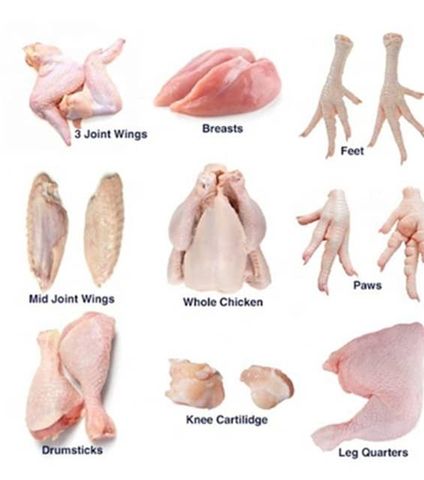
Wholesale suppliers offer a wide variety of frozen chicken cuts to match different market demands.
Most in-demand products include:
- Whole frozen chicken
- Chicken leg quarters
- Chicken wings
- Chicken breast fillets
- Chicken paws
- Mechanically deboned meat (MDM)
Different regions prefer different cuts, making product flexibility essential.
Top Countries for Frozen Chicken Wholesale Supply
Several countries dominate the frozen chicken wholesale market due to production scale and export readiness.
Leading suppliers include:
- Brazil
- United States
- Thailand
- Turkey
- Poland
Brazil is particularly competitive due to pricing, volume, and halal-certified production, making it a preferred source for many global buyers.

How Frozen Chicken Is Processed
Understanding the production process helps buyers evaluate quality.
Step-by-step process:
- Poultry slaughter under veterinary supervision
- Rapid chilling to prevent bacterial growth
- Cutting and deboning
- Blast freezing at very low temperatures
- Packaging in export-grade cartons
- Cold storage before shipment
Strict temperature control is maintained throughout the process.
Certifications Required for Wholesale Frozen Chicken
Certifications are non-negotiable in international trade.
Essential certifications include:
- Veterinary Health Certificate
- HACCP
- ISO 22000
- Halal Certification (for Muslim markets)
Certified suppliers ensure compliance with import regulations and food safety laws.
Frozen Chicken Wholesale Pricing Factors
Wholesale prices depend on several variables:
| Factor | Impact |
|---|---|
| Cut type | High |
| Feed costs | High |
| Order volume | Medium |
| Packaging type | Medium |
| Shipping distance | High |
Buying in larger quantities usually results in better pricing.
Cold Chain and Storage Requirements
Maintaining the cold chain is crucial for product integrity.
Reliable suppliers ensure:
- Continuous storage at -18°C or below
- Temperature-monitored containers
- Fast loading and unloading
- Minimal transit delays
Any break in the cold chain can result in rejected shipments.
How to Choose a Frozen Chicken Wholesale Supplier
Selecting the right supplier protects your business.
Checklist for buyers:
- Verified export license
- Clear certifications
- Consistent product quality
- Transparent pricing
- Strong logistics experience
- Responsive communication
Long-term supplier relationships reduce risk and improve reliability.
Common Challenges in Frozen Chicken Wholesale
Despite its advantages, buyers may face challenges such as:
- Port congestion
- Currency fluctuations
- Regulatory changes
- Shipping delays
Experienced suppliers help mitigate these risks through planning and compliance.
Future Trends in Frozen Chicken Wholesale
The wholesale frozen chicken market continues to evolve.
Key trends include:
- Growth in value-added frozen products
- Increased demand from Africa and Asia
- Improved traceability systems
- Focus on sustainability and animal welfare
Suppliers who adapt to these trends will lead the market.
FAQs About Frozen Chicken Wholesale
1. Is frozen chicken safe to import?
Yes, when stored and shipped at proper temperatures, frozen chicken is completely safe.
2. What is the minimum order quantity for wholesale frozen chicken?
MOQ varies by supplier but typically ranges from one full container.
3. How long does frozen chicken shipping take?
Shipping usually takes 15–45 days, depending on destination.
4. Can frozen chicken be halal certified?
Yes, many suppliers offer halal-certified frozen chicken.
5. Which frozen chicken cut is most popular?
Chicken leg quarters are among the most widely traded cuts.
6. Does freezing affect nutritional value?
No, freezing preserves nutrients when done correctly.
Conclusion
Frozen chicken wholesale is a smart sourcing strategy for businesses seeking affordability, consistency, and global reach. With long shelf life, flexible logistics, and strong demand, frozen poultry remains a cornerstone of international food trade.
By working with certified suppliers and maintaining cold-chain standards, buyers can build reliable supply chains and long-term profitability in the global poultry market.
FAO Cold Chain Guidelines for Frozen Foods:
https://www.fao.org/home/en
 English
  Spanish