
Exports of Pork: How to Access EU / Middle East Markets
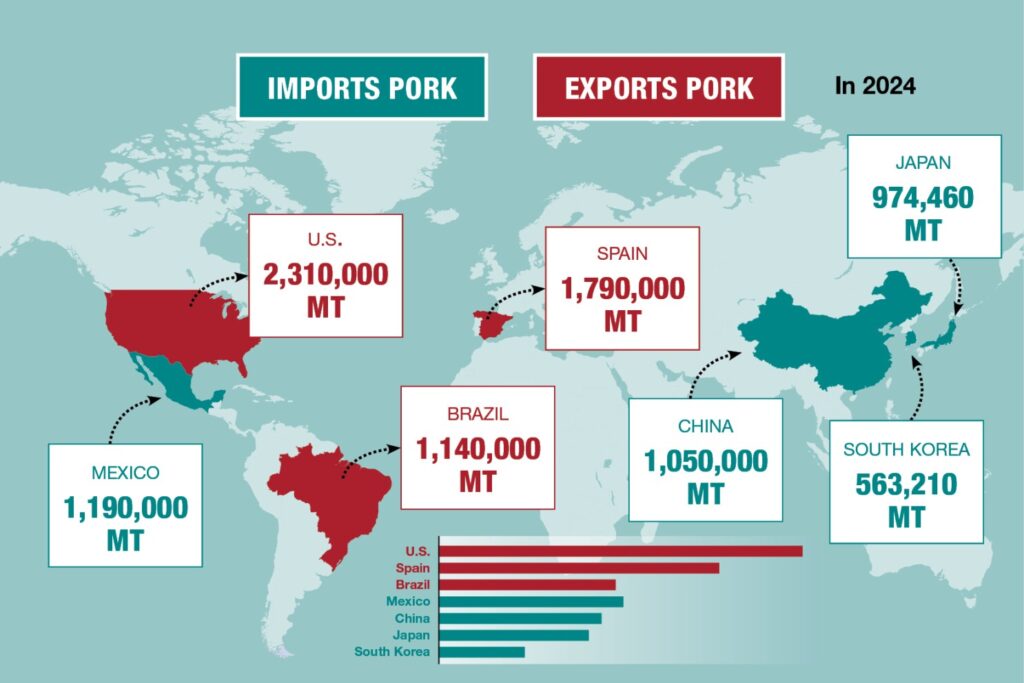
The exports of pork industry is growing rapidly, driven by rising global demand, improved logistics, and flexible trade agreements. Two of the most attractive regions for pork exporters are the European Union (EU) and the Middle East, each offering lucrative opportunities but requiring different regulatory and market strategies.
Whether you are a new pork exporter or an established business looking to expand, understanding how to access and comply with these markets is essential for success.
Why the EU and Middle East Are Prime Pork Export Markets
The EU represents one of the largest importers and consumers of pork, with strong demand for premium cuts, processed pork, and specialized products. Meanwhile, Middle Eastern markets—particularly in countries where pork is allowed—offer high margins for specialized, well-regulated meat exports.
Key Importing Countries:
-
EU: Germany, Netherlands, Italy, Spain
-
Middle East: United Arab Emirates, Bahrain, Qatar, Oman
These countries have well-developed cold chain systems and ports optimized for meat imports.
Understanding EU Pork Import Regulations
Exporting pork to the EU involves strict compliance with sanitary, veterinary, and labeling standards.
1. Health & Safety Certification
All pork products entering the EU must meet:
-
EU veterinary health standards
-
Certificates from the country of origin’s food safety authority
-
Traceability records
2. Hygiene & Processing Rules
EU regulations demand:
-
Temperature-controlled processing and storage.
-
Strict hygiene in slaughtering and packaging.
-
HACCP and ISO-compliant systems.
3. Tariffs and Trade Preferences
Countries with trade agreements with the EU may benefit from lower tariffs and faster clearance. Exporters must ensure all documentation is prepared in advance.
Official EU Import Requirements (outbound link)
Middle East Market Entry: Pork Export Rules & Opportunities
The Middle East presents unique opportunities and challenges for pork exporters. Pork is not widely consumed in all Middle Eastern countries, but specialized markets for non-Muslim consumers and tourism hubs make exports profitable in places like the UAE and Bahrain.
Key Requirements:
-
Pork imports must be clearly labeled and kept separate from halal products.
-
Dedicated pork-only cold chain logistics must be followed.
-
Permits and inspections are often required from local health authorities.
Major Market Opportunities:
-
Hospitality & tourism sectors in Dubai, Abu Dhabi, Doha.
-
Supermarkets serving international communities.
-
Food processing facilities for specialty pork products.
UAE Ministry of Climate Change & Environment (outbound link)
Logistics & Cold Chain Infrastructure
For successful exports of pork, logistics are as critical as compliance. Both EU and Middle East buyers prioritize:
-
Reliable reefer (refrigerated) container shipping.
-
Clearly marked, temperature-controlled packaging.
-
Real-time shipment tracking for freshness and safety.
Exporters should work with experienced freight forwarders specializing in meat logistics.
️ Labeling, Packaging & Product Types
Export success depends on clear labeling and customized product types to suit each market.
Commonly Exported Pork Cuts:
-
Pork bellies & loins
-
Ribs and hams
-
Frozen pork legs
-
Pork shoulders & offals
Labeling Must Include:
-
Country of origin
-
Production date and expiry
-
Storage and cooking instructions
-
Veterinary and plant registration numbers
Certifications That Build Trust
Certifications play a crucial role in pork export market access. Consider obtaining:
-
ISO 22000 / HACCP Certification
-
Veterinary Export Health Certificates
-
Compliance with EU TRACES (for EU markets)
-
National import permits (for Middle East)
These certifications help build credibility and streamline customs clearance.
Building Partnerships with Importers
A strong network of importers and distributors in target countries accelerates market entry. Reliable partners help you:
-
Navigate customs faster.
-
Adapt packaging and labeling to local regulations.
-
Build trust with buyers and retailers.
-
How to Become a Meat Exporter: Steps to Start Beef, Chicken, and Pork Export Business
Market Trends and Profit Margins
-
EU buyers pay premium prices for traceable, high-quality pork cuts.
-
Middle East markets offer high margins in niche segments like tourism and luxury retail.
-
Exporters with efficient logistics and regulatory compliance consistently outperform competitors.
Global pork demand is expected to grow steadily through 2030, creating long-term opportunities for exporters ready to adapt to international standards.
The exports of pork industry is expanding rapidly, and tapping into EU and Middle East markets offers exporters a chance to scale profitably. With the right certifications, logistics infrastructure, and market strategy, your pork export business can become a trusted supplier to some of the most lucrative markets in the world.
Highest Beef Exporter Country: How They Got There
 English
  Spanish