
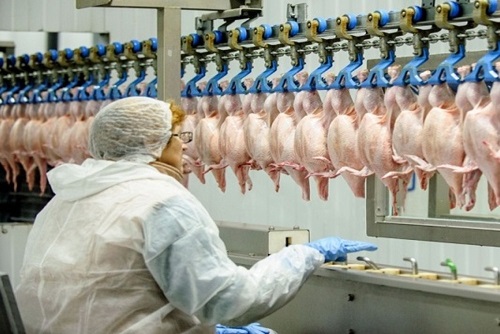
Understanding these differences can help exporters make smarter business decisions, tailor their production processes, and maximize profits while maintaining product quality and compliance with international standards.
Overview of the Global Frozen Chicken Export Market
The frozen chicken industry is one of the largest sectors in global food trade. According to the (FAO), poultry accounts for over 40% of all meat exports worldwide, with Brazil, the United States, and the European Union leading the market.
Top Frozen Chicken Exporters (2025 Estimates)
-
Brazil – The world’s largest frozen chicken exporter.
-
United States – Major exporter of chicken parts like breasts, wings, and thighs.
-
Netherlands – Supplies Europe and parts of Asia with processed chicken.
-
Thailand – Strong in frozen and processed poultry exports.
-
Poland – Rapidly growing player in EU poultry exports.
Both frozen chicken breasts and whole frozen chickens form the backbone of this market — yet their export processes and target consumers differ greatly.
Understanding Product Differences
Before exploring the logistics and trade aspects, let’s define both products clearly.
Frozen Chicken Breast
-
A boneless, skinless or skin-on portion of chicken.
-
Typically sold in bulk frozen cartons (5kg, 10kg).
-
Exported in formats such as IQF (Individually Quick Frozen) or block frozen.
-
Popular in restaurants, hotels, and food processing industries.
Whole Frozen Chicken
-
Entire bird, eviscerated and cleaned.
-
Sold with or without giblets.
-
Common in retail and wholesale markets for end consumers.
-
Exported as Halal-certified in Middle East and African markets.
Processing Differences
Frozen Chicken Breast
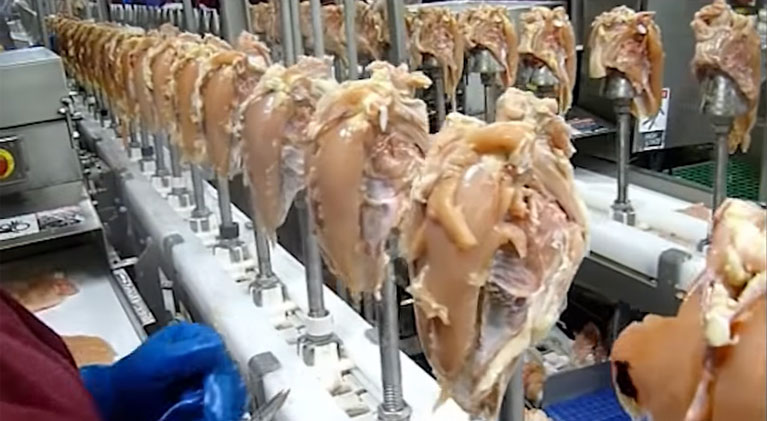
Processing chicken breast requires advanced deboning and trimming facilities. The process involves:
-
Slaughtering and defeathering.
-
Breast separation, deboning, and portioning.
-
Quick freezing (IQF or block freezing).
-
Packaging and labeling with export specifications.
Because of this extra processing step, the breast commands higher export value.
Whole Frozen Chicken
Processing whole frozen chicken is simpler:
-
Slaughtering and cleaning.
-
Evisceration (removal of internal organs).
-
Washing and chilling.
-
Freezing as a complete unit.
This makes it more affordable and easier for bulk buyers to purchase.
Price Comparison: Chicken Breast vs Whole Chicken
| Product | Average Export Price (2025 est.) | Target Market | Packaging Type |
|---|---|---|---|
| Frozen Chicken Breast | $3.00 – $4.50 per kg | Food manufacturers, restaurants | 5–10kg IQF cartons |
| Whole Frozen Chicken | $1.50 – $2.50 per kg | Retailers, wholesalers, supermarkets | 10–15kg whole bird cartons |
The profit margins for chicken breasts are typically higher due to added processing value and strong demand from developed economies.
Packaging & Labeling Requirements
Frozen Chicken Breast Packaging
-
Must be vacuum-sealed or airtight to prevent freezer burn.
-
Labeled with product details:
-
“Frozen Chicken Breast – Halal Certified”
-
Net weight, batch number, expiry date
-
Storage condition: Keep Frozen at -18°C or below
-
-
IQF packaging allows easy portion control for chefs and processors.
Whole Frozen Chicken Packaging
-
Often packed in bulk cartons or plastic wrapping.
-
Requires clear labeling such as:
-
“Whole Frozen Halal Chicken”
-
Processing date, slaughterhouse number, and country of origin
-
-
Typically branded for retail display.
Tip: Include your export company website (like https://globalexporter-br.com) on all packaging for traceability and brand recognition.
Target Markets and Buyer Profiles
| Product Type | Common Buyer | Market Regions | Preferred Certification |
|---|---|---|---|
| Frozen Chicken Breast | Food processors, restaurants, importers | EU, Japan, South Korea, UAE | Halal, ISO, HACCP |
| Whole Frozen Chicken | Retailers, wholesalers, wet markets | Africa, Middle East, Southeast Asia | Halal, Veterinary Certificate |
Exporters often balance both product lines — premium cuts for developed markets and whole chickens for developing regions.
Logistics and Shipping Differences
Frozen Chicken Breast Exporting
-
Requires IQF freezing for freshness and quality.
-
Smaller carton sizes to ease handling.
-
Must maintain strict -18°C temperature during the entire cold chain.
-
Often shipped by reefer containers to high-end buyers.
Whole Frozen Chicken Exporting
-
Shipped in large quantities (40-foot reefer containers).
-
Easier to store and stack.
-
Lower risk of mechanical damage compared to smaller cuts.
-
Often exported in bulk to wholesalers and distributors.
Both products depend heavily on cold chain logistics to maintain quality and compliance.
Halal Certification and Market Demand

In Muslim-majority markets like Saudi Arabia, UAE, Kuwait, and Indonesia, Halal certification is non-negotiable.
For Chicken Breast:
-
Must be from Halal-slaughtered poultry.
-
Certification must come from recognized Islamic bodies.
For Whole Frozen Chicken:
-
Commonly labeled as “Halal Whole Chicken” for retail visibility.
-
Buyers prefer suppliers with consistent Halal audit records.
Halal-compliant exporters from Brazil, Thailand, and Malaysia have a strong competitive advantage in these regions.
️ Regulatory and Health Requirements
Both products must adhere to strict international standards:
For Frozen Chicken Breast Exports:
-
EU Regulation (EC) No 853/2004 – Poultry Meat Hygiene
-
ISO 22000 and HACCP compliance
-
Veterinary Health Certificate
For Whole Frozen Chicken Exports:
-
SIF (Brazilian Federal Inspection Service) approval
-
Certificate of Origin
-
Halal certification for Middle East destinations
FAO Food Safety Guidelines (outbound link)
Market Trends and Profitability
-
Rising Demand for Lean Meat: Health-conscious consumers prefer chicken breast for its low fat and high protein.
-
Value-Added Processing: Frozen chicken breast can be sold as marinated, grilled, or ready-to-cook — boosting profitability.
-
Whole Chicken for Emerging Markets: Affordable pricing keeps demand high in Africa and Southeast Asia.
-
Private Label Branding: Exporters increasingly supply supermarkets under customized labels.
Brazilian companies like Global Exporter BR have mastered both models — delivering high-quality frozen chicken breast and whole frozen chicken worldwide.
Sustainability and Traceability
Sustainability is now a major differentiator in poultry exports.
-
Frozen Chicken Breast Exporters: Must show responsible farming and reduced carbon logistics.
-
Whole Chicken Exporters: Often rely on efficient bulk logistics to minimize environmental footprint.
-
Traceability Systems: Barcodes and QR codes help importers track origin, feed type, and processing plant data.
Eco-conscious buyers, especially in the EU and UK, are favoring traceable, sustainably produced poultry.
⚖️ Summary: Key Differences Between Chicken Breast and Whole Chicken Exports
| Aspect | Frozen Chicken Breast | Whole Frozen Chicken |
|---|---|---|
| Processing | Highly processed (deboned, trimmed) | Minimal processing |
| Price | Higher | Lower |
| Packaging | IQF, vacuum-packed | Bulk cartons |
| Shipping | Moderate volumes | High-volume bulk |
| Market Focus | Developed nations | Emerging markets |
| Shelf Life | 12 months | 12 months |
| Certifications | ISO, HACCP, Halal | Halal, Veterinary |
| Demand Drivers | Health-conscious consumers | Retail affordability |
The exporting of frozen chicken breast versus whole frozen chicken highlights how the poultry industry tailors its strategies for different global markets.
Chicken breast exports focus on premium, processed, and high-margin markets, while whole chicken exports prioritize volume, affordability, and simplicity.
To stay competitive, exporters must:
-
Maintain high food safety standards.
-
Invest in cold chain infrastructure.
-
Understand market-specific buyer behavior.
Whether you’re exporting chicken breast to Europe or whole chickens to the Middle East, success depends on balancing cost, quality, and reliability.
Highest Beef Exporter Country: How They Got There
 English
  Spanish