
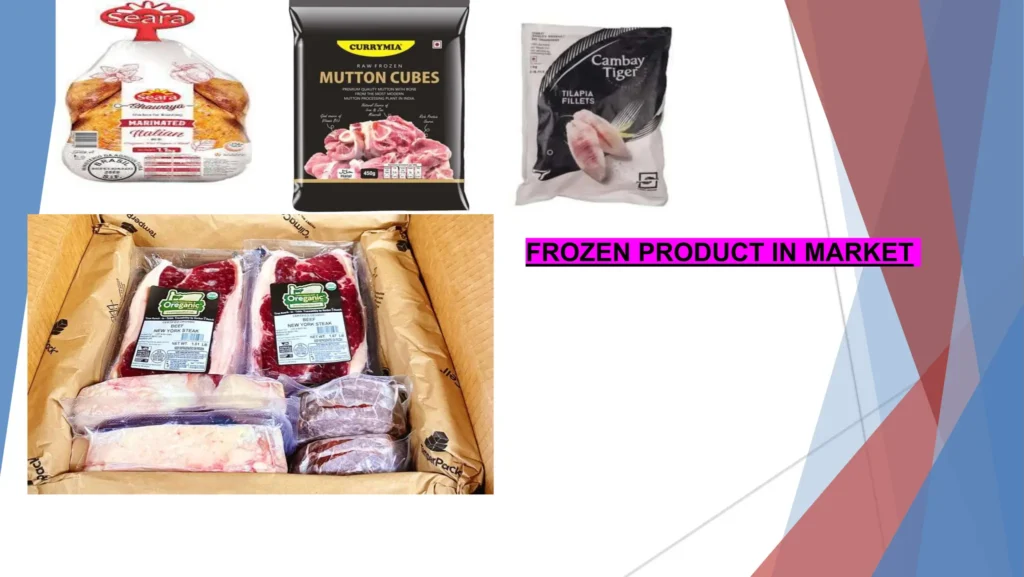
Frozen Steak Packages: Premium Product Insights for Exporters and Buyers

In the premium meat export industry, frozen steak packages have become a global favorite. These products combine long shelf life, convenience, and high-quality taste — appealing to both restaurants and consumers worldwide.
As international demand for red meat continues to rise, exporters from countries like Brazil, Australia, the U.S., and Argentina are focusing on creating well-packaged, top-grade frozen steaks that preserve flavor, tenderness, and nutritional value.
This guide explores everything from packaging techniques and quality standards to global market trends and profit strategies for businesses in the frozen steak export trade.
Global Market Overview: The Rise of Frozen Steak Exports
The global beef industry is worth over $400 billion, and a significant portion of that value comes from frozen steak packages.
While fresh meat still dominates local trade, frozen steak exports make long-distance delivery possible — ensuring customers in the EU, Asia, Middle East, and North America enjoy premium steak year-round.
Top Exporting Countries (2025 Estimates)
-
Brazil – Leading in frozen beef and steak cuts.
-
United States – Dominates premium beef cuts like ribeye and tenderloin.
-
Australia – Known for grass-fed and Wagyu frozen steak exports.
-
Argentina – Specializes in flavorful, grain-fed beef cuts.
-
New Zealand – Growing demand for sustainable, grass-fed beef.
Why Frozen Steak Packages Are in Demand
Frozen steak packages have transformed global meat logistics and consumer habits. With improved freezing and packaging technologies, exporters can now ship steaks that retain restaurant-grade taste and texture.
Key Benefits:
-
Extended Shelf Life — Up to 12 months under -18°C storage.
-
Convenience — Easy to store, transport, and portion.
-
Global Accessibility — Enables exports to regions without local beef supply.
-
Cost Efficiency — Minimizes waste and optimizes logistics.
-
Consistent Quality — Maintains flavor, color, and juiciness when frozen properly.
Types of Frozen Steak Packages

Exporters use various freezing methods and packaging formats depending on customer demand and destination country.
1. IQF (Individually Quick Frozen) Steaks
-
Each steak is frozen separately using rapid freezing technology.
-
Prevents steaks from sticking together.
-
Perfect for restaurants and food services that need portion control.
2. Vacuum-Sealed Steaks
-
Air is removed from the packaging before sealing.
-
Prevents freezer burn and oxidation.
-
Ideal for high-end steak cuts like ribeye, sirloin, or tenderloin.
3. Bulk Frozen Steak Packages
-
Multiple steaks packed in a single box (10–20 kg).
-
Common for wholesale exports and distributors.
4. Boxed Premium Retail Packages
-
Designed for supermarkets and premium retail brands.
-
Often feature attractive branding and QR traceability codes.
️ Common Frozen Steak Cuts for Export
| Cut Type | Description | Common Export Markets |
|---|---|---|
| Ribeye Steak | Richly marbled, juicy, and flavorful | USA, Japan, UAE |
| Sirloin Steak | Leaner cut with a bold beefy flavor | EU, Singapore, Brazil |
| Tenderloin / Filet Mignon | Most tender and premium cut | Middle East, Hong Kong |
| T-Bone / Porterhouse | Bone-in steak offering two textures | Europe, Australia |
| Striploin | Balanced flavor and tenderness | Asia, UK |
Exporters typically offer these cuts in both fresh-frozen and aged-frozen varieties, depending on buyer requirements.
⚙️ Processing and Freezing Technology
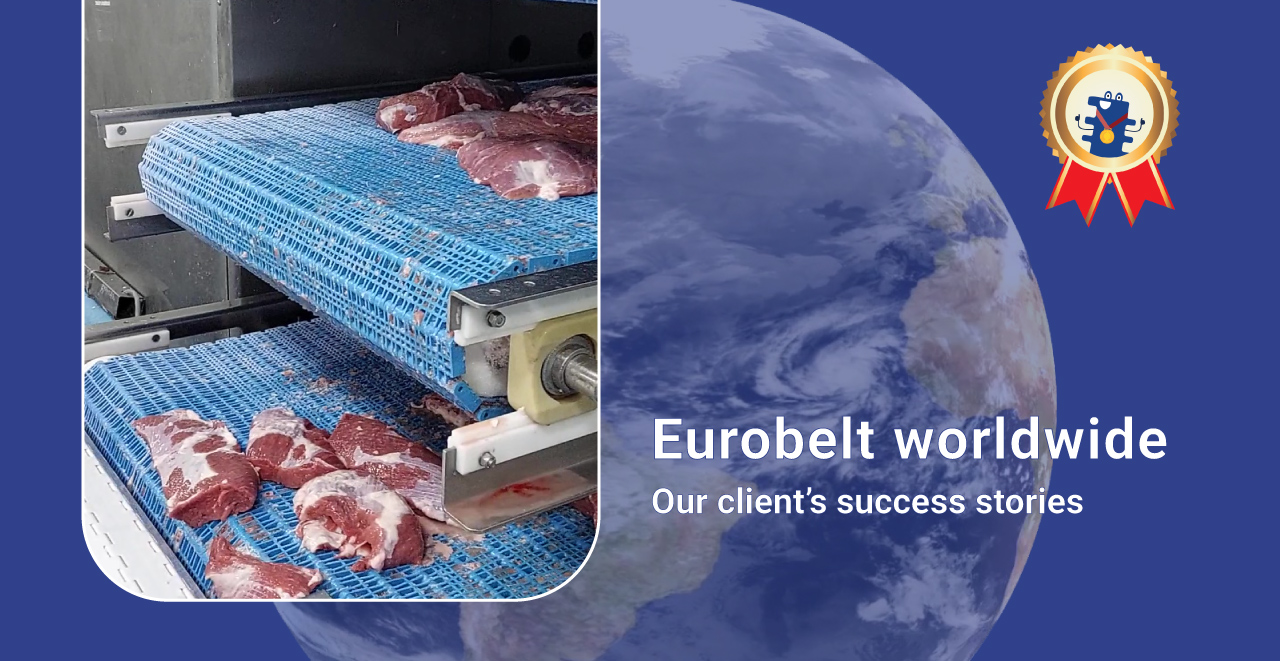
High-quality frozen steak packages depend on precise processing steps that ensure flavor preservation and safety.
Steps:
-
Butchering & Trimming – Steaks are portioned precisely based on buyer specs.
-
Rapid Freezing – Using blast or IQF freezing at -35°C to lock in freshness.
-
Vacuum Sealing – Protects from freezer burn and oxidation.
-
Labeling & Coding – Includes origin, lot number, and storage temperature.
-
Storage & Transport – Maintained consistently at -18°C or lower.
Packaging Innovations
1. Modified Atmosphere Packaging (MAP)
-
Extends shelf life by altering oxygen and carbon dioxide levels.
-
Keeps steak color vibrant and reduces bacterial growth.
2. Vacuum Skin Packaging (VSP)
-
Tight film fits directly over the steak surface.
-
Ideal for premium visual presentation.
3. Eco-Friendly Packaging
-
Recyclable materials gaining popularity in the EU and North America.
-
Enhances brand image and meets sustainability standards.
Export Regulations and Certifications
Exporters of frozen steak packages must comply with international safety and labeling standards.
Essential Certifications:
-
ISO 22000 (Food Safety Management)
-
HACCP (Hazard Analysis & Critical Control Points)
-
Halal Certification (for Middle East markets)
-
Veterinary Health Certificate
-
SIF Code (for Brazilian exporters)
Compliance Highlights:
-
All products must originate from approved slaughterhouses.
-
Consistent cold chain monitoring from plant to port.
-
Labeling must indicate country of origin, batch number, and storage temp.
Visit FAO Food Safety Guidelines for detailed requirements.
Pricing and Market Demand
Pricing for frozen steak packages depends on the cut type, origin, and processing method.
| Steak Type | Average Export Price (2025 est.) | Packaging Type | Target Market |
|---|---|---|---|
| Ribeye (Frozen) | $8.50–$12/kg | Vacuum Sealed | Asia, Middle East |
| Tenderloin | $10–$16/kg | VSP | Europe, USA |
| Sirloin | $7–$10/kg | Bulk Cartons | Africa, Latin America |
| Striploin | $6–$9/kg | IQF | UAE, Singapore |
Premium packaging and traceability often justify higher prices in developed markets.
Logistics and Cold Chain Management
Maintaining temperature integrity is critical in exporting frozen steaks.
Cold Chain Stages:
-
Processing Plant Storage (-18°C)
-
Reefer Container Shipping (-20°C)
-
Port and Customs Clearance
-
Distributor Warehousing
-
Retail Freezers or Food Service Cold Rooms
Smart exporters use IoT tracking sensors and temperature loggers to monitor container conditions in real time.
Halal and Kosher Market Opportunities
In the Middle East, Halal-certified frozen steak packages are in high demand, especially in hospitality and food service sectors.
Meanwhile, Kosher-certified beef exports from the U.S. and Brazil serve Jewish markets in Israel and North America.
Both certifications add credibility and expand access to religiously compliant consumers.
Sustainability & Traceability
Modern meat buyers want transparency. Exporters can boost their brand by offering:
-
QR codes linking to farm origin and processing info.
-
Carbon footprint labels.
-
Animal welfare certifications.
-
Recyclable packaging initiatives.
These efforts resonate strongly in the EU, Japan, and Canada — where sustainability drives purchasing decisions.
Trends Shaping the Frozen Steak Export Market
-
E-commerce Expansion — Online meat retailers growing across Asia and Europe.
-
Premiumization — Consumers paying more for quality and convenience.
-
Private Label Exporting — Retailers outsourcing branded steak lines to exporters.
-
Hybrid Logistics — Combining air and sea freight to meet freshness goals.
-
Technology Integration — Blockchain for traceability and AI-driven demand forecasting.
Challenges for Exporters
Despite growth, the frozen steak export industry faces some challenges:
-
Rising freight costs and cold storage energy expenses.
-
Tight trade regulations in the EU and China.
-
Maintaining consistent quality during long transits.
-
Competition from low-cost exporters and synthetic meat trends.
To remain competitive, exporters must focus on branding, sustainability, and reliability.
✅ Best Practices for Exporting Frozen Steak Packages
-
Invest in Premium Packaging: Use vacuum or VSP for top cuts.
-
Monitor Cold Chain Continuously: Avoid temperature spikes.
-
Comply with Market Regulations: Stay updated on FAO and WTO standards.
-
Customize by Market: Offer smaller packs for retail, bulk for food service.
-
Promote Certifications: Halal, ISO, and HACCP labels build trust.
-
Add Value with Branding: Use QR traceability and eco-friendly design.
Summary Table
| Criteria | Frozen Steak Packages | Fresh Steak |
|---|---|---|
| Shelf Life | 12 months | 7–10 days |
| Shipping | Sea Freight | Air Freight |
| Packaging | Vacuum, VSP, IQF | Chilled Vacuum |
| Cost | Lower logistics cost | Higher freight cost |
| Market Reach | Global | Regional |
| Buyer Type | Retail & Food Service | Restaurants |
| Sustainability | High (efficient logistics) | Moderate |
Frozen steak packages represent the future of the premium beef trade — combining convenience, taste, and extended shelf life.
Exporters who invest in innovative packaging, stringent food safety standards, and sustainable practices can tap into booming demand from Asia, Europe, and the Middle East.
For importers, frozen steak packages offer consistency, safety, and the luxury of premium cuts — delivered fresh from the world’s top beef producers.
Whether you are a frozen beef exporter, retailer, or distributor, focusing on quality and traceability will position you at the forefront of the global meat industry.
 Spanish
  English