
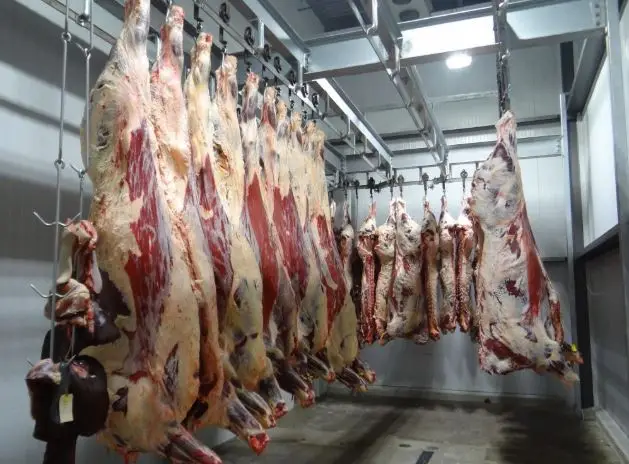
Fresh vs Frozen Meat Exports: Pros & Cons for Global Traders

In the global meat trade, one of the most important decisions for exporters is choosing between fresh vs frozen meat exports. Each type has its own market demand, logistical challenges, and profitability potential.
Whether you are an exporter of beef, chicken, or pork, understanding the differences between fresh and frozen meat exports is key to optimizing your international operations and meeting customer expectations.
This article breaks down the advantages, disadvantages, logistics, and market trends for both fresh and frozen meat exports — helping you make informed, profit-driven decisions.
Global Overview of Meat Exports
The global meat industry exports billions of dollars’ worth of products every year. While frozen meat dominates long-distance trade, fresh meat holds strong appeal in nearby markets where freshness and quick delivery are prioritized.
Top Meat Exporting Nations (2025 Estimates)
-
Brazil — Leading in frozen beef and chicken exports.
-
United States — Dominates premium fresh beef and pork markets.
-
Australia — A major player in both fresh and frozen meat exports.
-
EU Nations — Strong regional fresh meat trade due to proximity and infrastructure.
-
India — Known for frozen buffalo meat exports.
Frozen Meat Exports: Global Leader in Long-Distance Trade
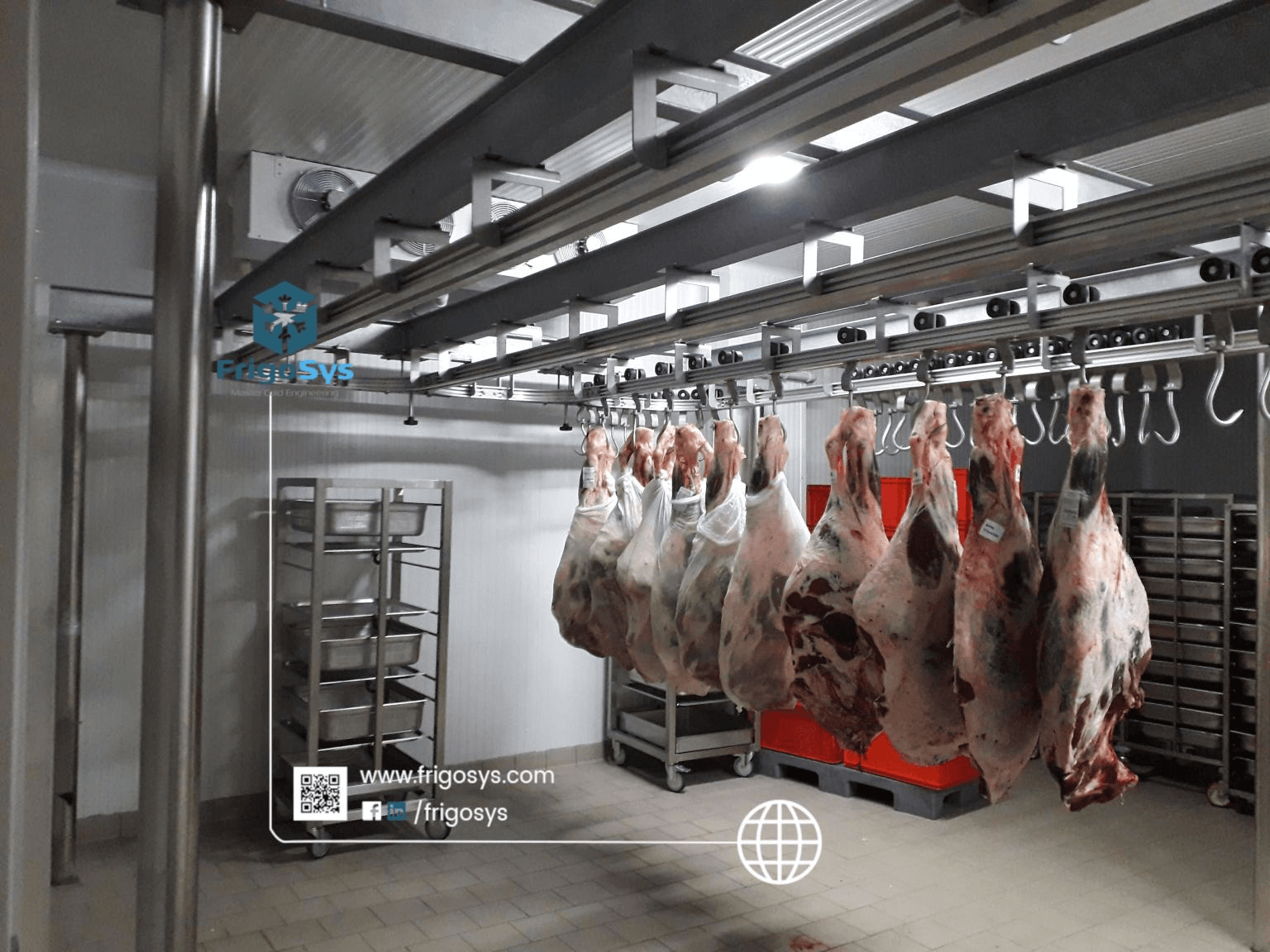
✅ Advantages of Frozen Meat Exports
-
Extended Shelf Life
Frozen meat can be stored for months without spoiling. This makes it ideal for exporters shipping products over long distances. -
Cost Efficiency
Exporters can take advantage of bulk storage and seasonal price fluctuations, freezing meat when supply is high and selling later when demand rises. -
Reduced Waste
Freezing minimizes spoilage, allowing better inventory management for both exporters and importers. -
Global Reach
Frozen meat exports enable trade between continents, connecting producers in Brazil, Argentina, or Australia with buyers in Asia, the Middle East, and Africa. -
Product Variety
Frozen meat allows exporters to offer a diverse portfolio — beef cuts, chicken parts, pork ribs, and offals — all available year-round.
❌ Disadvantages of Frozen Meat Exports
-
Perceived Quality Loss
Some buyers associate frozen meat with lower freshness, even though modern freezing methods preserve quality effectively. -
Energy & Storage Costs
Maintaining -18°C temperatures during transport and storage requires significant investment in cold chain logistics. -
Defrosting Impact
Incorrect thawing by retailers or consumers can affect texture and flavor. -
Packaging Requirements
Vacuum-sealed, airtight packaging is essential — adding cost to export operations.
Best Markets for Frozen Meat
-
Asia-Pacific (China, Vietnam, Philippines)
-
Middle East (UAE, Saudi Arabia, Qatar)
-
Africa (Nigeria, Ghana, Egypt)
These markets rely heavily on frozen beef, chicken, and pork due to long shipping distances and limited cold storage infrastructure locally.
Fresh Meat Exports: Premium Quality with Tight Logistics

✅ Advantages of Fresh Meat Exports
-
Superior Taste & Texture
Fresh meat retains its natural flavor, color, and tenderness, appealing to high-end consumers and restaurants. -
Premium Pricing
Buyers often pay more for fresh meat due to perceived higher quality and shorter supply chains. -
Brand Reputation
Exporters known for freshness gain trust and long-term clients, especially in gourmet and hospitality sectors. -
Less Energy-Intensive
While cold storage is still needed, maintaining chilled (0–4°C) rather than frozen conditions reduces energy costs slightly.
❌ Disadvantages of Fresh Meat Exports
-
Short Shelf Life
Fresh meat has a limited storage time (typically 5–14 days), making it suitable only for nearby or airfreight-accessible markets. -
High Risk of Spoilage
Any delay in transport or temperature fluctuation can result in losses. -
Logistics Complexity
Requires strict just-in-time supply chains, with little room for error. -
Expensive Freight Costs
Air freight for fresh meat is significantly costlier than sea freight for frozen meat.
Best Markets for Fresh Meat
-
Regional and nearby markets (EU countries, GCC region).
-
Premium retail, hospitality, and restaurant sectors.
-
High-income urban areas demanding top-tier quality.
The Role of Cold Chain Logistics in Both Types
A reliable cold chain is the backbone of both fresh and frozen meat exports.
Key Cold Chain Components:
-
Processing & Packaging: Meat is immediately chilled or frozen after slaughter.
-
Cold Storage Facilities: Maintain constant temperature control.
-
Reefer Containers: Ensure stable transport conditions.
-
Customs & Inspection Compliance: Must meet international food safety standards.
Companies that invest in modern refrigeration, IoT sensors, and real-time tracking enjoy reduced spoilage rates and greater customer trust.
️ Quality Standards and Certifications
Both fresh and frozen meat exporters must meet international standards to access top markets:
-
ISO 22000 (Food Safety Management)
-
HACCP (Hazard Analysis & Critical Control Points)
-
Halal / Kosher Certifications (for specific market access)
-
Veterinary Health Certificates
-
Export Licenses and SIF Codes (Brazil)
These build trust and enable easier entry into regulated markets like the EU, Middle East, and Asia.
Profitability Comparison: Fresh vs Frozen Meat Exports
| Factor | Fresh Meat Exports | Frozen Meat Exports |
|---|---|---|
| Shelf Life | Short (5–14 days) | Long (up to 12 months) |
| Shipping Mode | Air freight | Sea freight |
| Cost Efficiency | High costs per shipment | Low cost per unit |
| Market Reach | Regional / Premium | Global |
| Quality Perception | Premium | Standardized |
| Inventory Flexibility | Limited | High |
| Risk of Spoilage | High | Low |
✅ Conclusion:
Frozen meat exports generally offer higher profit margins and wider market access, while fresh meat exports deliver premium branding and higher unit prices in niche markets.
Sustainability Considerations
Environmental impact is increasingly shaping the fresh vs frozen meat exports debate.
-
Frozen exports require more energy for long-term storage.
-
Fresh exports rely on frequent air freight, increasing carbon emissions.
Exporters are now investing in energy-efficient cold storage, renewable-powered logistics, and sustainable packaging to reduce their footprint.
Choosing the Right Strategy
Your choice between fresh and frozen meat exports depends on:
-
Target Market Distance
-
Storage Infrastructure
-
Buyer Preferences
-
Available Logistics Partners
-
Cost vs. Quality Goals
Example Strategies:
-
Brazilian Exporters: Focus on frozen beef and chicken for Asia and Africa.
-
Australian Exporters: Split between fresh lamb for Middle East and frozen beef for Asia.
-
U.S. Exporters: Supply both fresh and frozen pork to the EU and East Asia.
Highest Beef Exporter Country: How They Got There
Number One Beef Exporter: Fact vs Perception
Beef Export Top 10 Country: Statistics & Trends
 Spanish
  English