
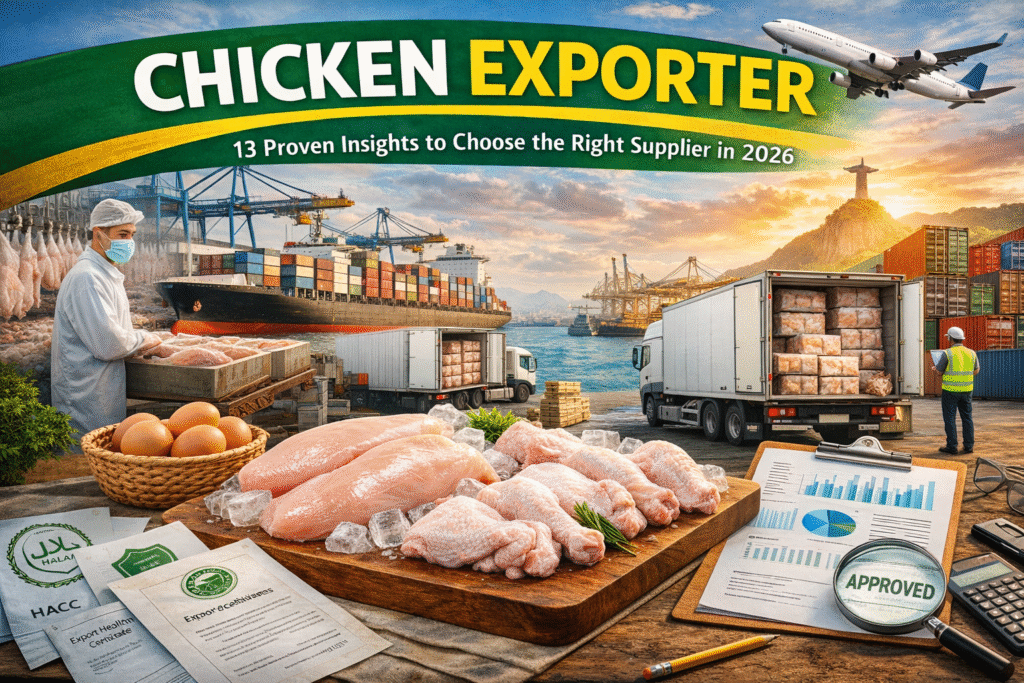
Introduction: Understanding the Role of a Chicken Exporter
A chicken exporter plays a vital role in the global food supply chain. From farms and processing plants to ports and overseas markets, exporters ensure poultry products meet international safety, quality, and compliance standards.
As global demand for affordable protein continues to rise, importing chicken from trusted exporters has become a strategic move for wholesalers, distributors, retailers, and food service businesses. Selecting the right chicken exporter is not just about price—it is about reliability, certification, and long-term partnership.
This comprehensive guide explains how chicken exporters operate, what buyers should look for, and why sourcing from established exporting countries delivers strong business advantages.
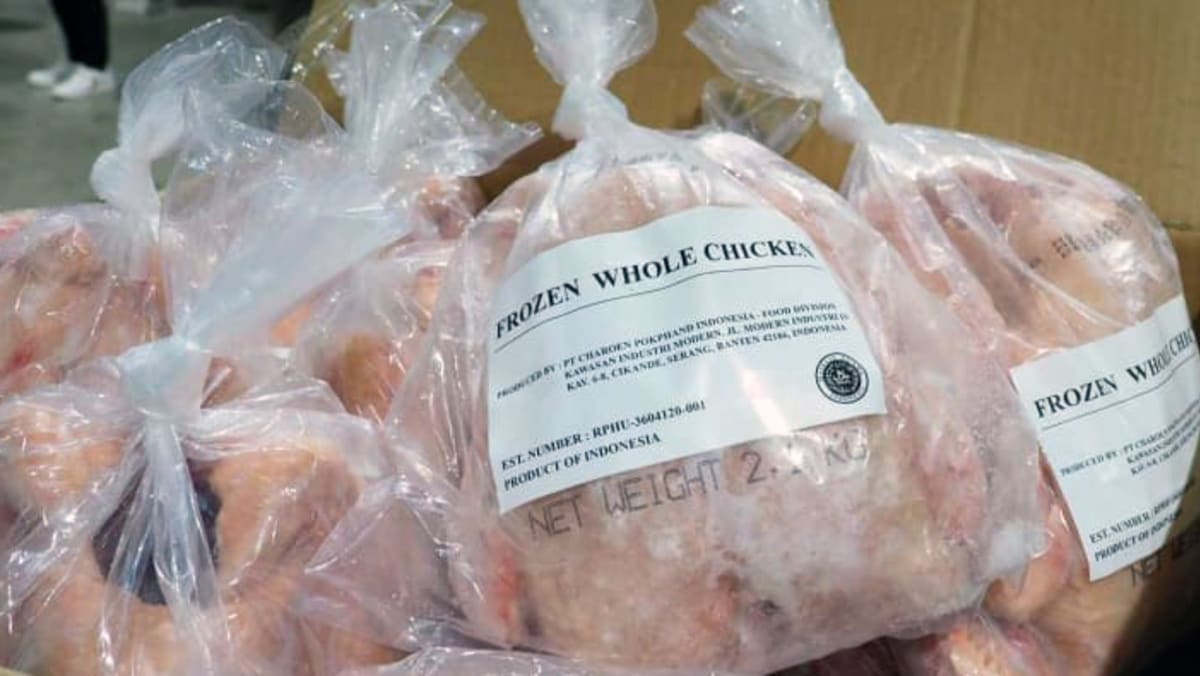
What Is a Chicken Exporter?
A chicken exporter is a licensed company that processes, packages, and ships poultry products from one country to international markets. These exporters comply with both local regulations and the import requirements of destination countries.
Their responsibilities include:
- Processing poultry under hygienic conditions
- Obtaining veterinary and health certifications
- Managing cold-chain logistics
- Ensuring product traceability
- Coordinating international shipping
Without a professional exporter, cross-border poultry trade would not be possible.
Global Demand for Chicken Exports
Chicken remains one of the most consumed proteins worldwide due to its affordability, versatility, and nutritional value. As a result, international poultry trade continues to grow steadily.
Key drivers of demand include:
- Population growth
- Urbanization
- Expansion of fast-food and restaurant chains
- Rising middle-class income in developing countries
These factors make the chicken exporter industry highly competitive and opportunity-rich.
Top Chicken Exporting Countries
Several countries dominate the global poultry export market due to advanced farming systems and strong infrastructure.
Leading exporters include:
- Brazil
- United States
- Thailand
- Turkey
- Poland
Among these, Brazil stands out for volume, pricing, and halal-certified supply, making it a preferred choice for many importers worldwide.
How a Chicken Exporter Operates
1. Poultry Sourcing and Farming
Exporters work with contract farms or company-owned farms that follow biosecurity, animal welfare, and feeding standards. Healthy birds are essential for export-quality meat.
2. Processing and Slaughter
Chickens are processed in certified facilities under veterinary supervision. Strict hygiene and temperature control are maintained throughout the process.
3. Packaging and Freezing
Products are frozen rapidly to preserve freshness. Export-grade packaging protects the meat during long-distance shipping.
4. Documentation and Compliance
Exporters handle all paperwork, including:
- Health certificates
- Certificate of origin
- Halal certificates (where required)
- Import permits
Types of Products Offered by a Chicken Exporter
A professional chicken exporter offers a wide range of cuts and formats, including:
- Whole frozen chicken
- Chicken breast fillet
- Chicken leg quarters
- Chicken wings
- Chicken paws
- Mechanically deboned meat (MDM)
This variety allows buyers to match products with local consumer demand.
Key Certifications to Look For
Certifications are a critical trust signal when choosing a chicken exporter.
Essential certifications include:
- HACCP (Hazard Analysis and Critical Control Points)
- ISO 22000 (Food Safety Management)
- Veterinary Health Certificate
- Halal Certification (for Muslim markets)
Exporters with multiple certifications are more reliable and compliant with international regulations.
Pricing Factors in Chicken Export
Chicken export prices vary depending on several factors:
| Factor | Impact on Price |
|---|---|
| Feed costs | High |
| Cut type | Medium |
| Packaging | Medium |
| Shipping distance | High |
| Market demand | High |
A reputable chicken exporter offers transparent pricing without hidden costs.

Cold Chain and Logistics Management
Maintaining the cold chain is essential for food safety. Exporters use refrigerated containers that keep products at -18°C or lower throughout the journey.
Reliable exporters:
- Monitor temperature continuously
- Use approved shipping lines
- Minimize transit time
- Offer shipment tracking
Strong logistics management prevents spoilage and financial losses.
How to Choose the Right Chicken Exporter
Choosing the right supplier can make or break your import business.
Checklist for buyers:
- Verified export license
- Strong export history
- Clear certifications
- Consistent product quality
- Responsive communication
- Flexible order quantities
Building a long-term relationship with a dependable exporter ensures supply stability.
Common Challenges in Chicken Export Trade
Despite its growth, the industry faces challenges such as:
- Changing import regulations
- Currency fluctuations
- Shipping delays
- Disease outbreaks
Experienced exporters mitigate these risks through compliance planning and diversified markets.
Sustainability and Ethical Practices
Modern buyers increasingly value sustainability. Many chicken exporters now focus on:
- Reduced antibiotic use
- Responsible feed sourcing
- Waste management
- Energy-efficient processing plants
These practices improve brand reputation and meet global ESG standards.
Future Outlook for Chicken Exporters
The future of the chicken exporter industry looks strong. Innovations such as digital traceability, automated processing, and value-added poultry products are shaping the next phase of growth.
Emerging markets in Africa and Asia are expected to drive demand, while exporters that invest in quality and compliance will lead the industry.
FAQs About Chicken Exporters
1. What documents are required from a chicken exporter?
Health certificates, halal certificates (if required), and export documentation are essential.
2. Can small businesses work with a chicken exporter?
Yes, many exporters support small and medium importers with flexible order sizes.
3. How long does chicken export shipping take?
Depending on destination, shipping can take 15–45 days.
4. Is frozen chicken safe for long-distance transport?
Yes, when properly frozen and stored at -18°C, chicken remains safe and fresh.
5. What is the most exported chicken cut?
Chicken leg quarters are among the most popular globally.
6. Do exporters customize packaging?
Most professional exporters offer customized packaging and labeling.
Conclusion
A reliable chicken exporter is a critical partner in the global poultry trade. From certifications and logistics to pricing and sustainability, exporters play a key role in delivering safe, affordable protein worldwide.
For importers, choosing the right exporter ensures consistent quality, regulatory compliance, and long-term business success. When aligned with trusted poultry-producing countries, chicken exporters continue to power the global food supply chain.
For international poultry trade standards, refer to FAO guidelines:
https://www.fao.org/home/en
 Spanish
  English