
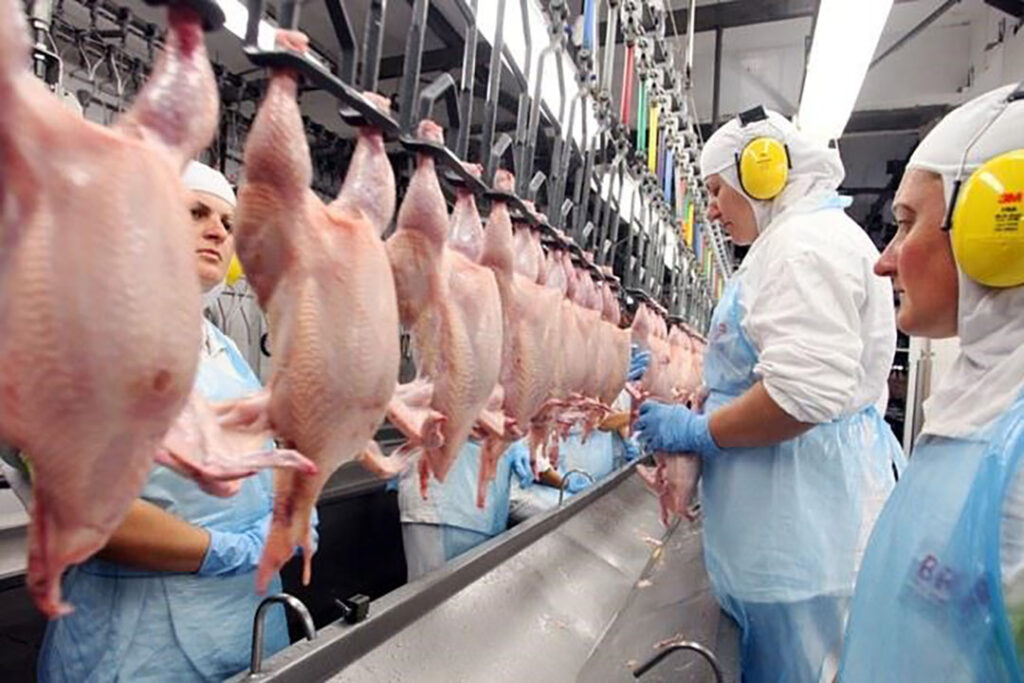
When it comes to the frozen chicken export market, Brazil stands firmly at the top. As the world’s largest chicken exporter, Brazil supplies frozen poultry to over 150 countries, including major markets like Saudi Arabia, United Arab Emirates, China, and the European Union.
What sets Brazil apart is its combination of efficient poultry production, advanced processing facilities, strict quality control, and strategic market positioning. In this article, we’ll break down the key reasons why Brazil dominates the global frozen chicken trade.
1. Large-Scale Poultry Production Capacity
Brazil has built an enormous poultry industry that is both cost-effective and highly productive.
-
The country produces more than 14 million tons of chicken annually.
-
Over 30% of its total poultry production is exported.
-
Major poultry-producing states include Paraná, Santa Catarina, and Rio Grande do Sul.
-
Brazil has a favorable climate, abundant grain supply, and vast farming land — all contributing to low production costs.
This combination allows Brazilian exporters to offer competitive pricing without compromising quality.
2. High-Quality Standards and Food Safety
One of the biggest reasons buyers trust Brazilian poultry is its stringent quality control and sanitary standards.
-
Poultry processing facilities are state-of-the-art, ensuring hygienic slaughtering and packing.
-
Brazil complies with HACCP, ISO, and Codex Alimentarius Commission guidelines.
-
Regular inspections are conducted by the Ministério da Agricultura, Pecuária e Abastecimento (MAPA).
-
Chicken is flash frozen at -18 °C or lower to preserve freshness.
✅ Brazilian chicken meets or exceeds import regulations in even the strictest markets like the EU and Japan.
3. Halal Certification & Middle Eastern Market Access
A major factor behind Brazil’s dominance in the frozen chicken export market is its Halal-certified production.
-
Brazil is the largest Halal chicken exporter in the world.
-
Nearly 50% of its frozen chicken exports go to Muslim-majority countries.
-
Slaughtering is carried out under Islamic guidelines with certification from trusted Halal authorities.
-
Labels and documentation are designed to meet customs requirements in the Middle East and Asia.
This focus on Halal compliance has made Brazil a preferred supplier in countries like Saudi Arabia, United Arab Emirates, and Kuwait.
4. Advanced Freezing and Cold Chain Technology
Preserving freshness is key to maintaining product quality. Brazil’s poultry industry invests heavily in modern freezing and cold chain solutions.
-
IQF (Individually Quick Frozen) technology keeps chicken cuts separate and easy to portion.
-
Blast freezing ensures rapid freezing, maintaining meat texture and moisture.
-
Export shipments are transported in reefer containers with real-time temperature tracking.
-
Cold chain is maintained from plant to port, guaranteeing freshness upon arrival.
This infrastructure allows Brazil to ship chicken thousands of miles while maintaining top quality.
5. Strong Global Distribution Network
Brazilian poultry exporters have mastered global logistics. Their distribution network spans five continents, ensuring timely delivery and consistent supply.
Top Frozen Chicken Export Destinations:
-
Saudi Arabia
-
China
-
Japan
-
United Arab Emirates
-
European Union
-
South Africa
Brazil’s strategic ports — such as Port of Paranaguá and Port of Santos — are fully equipped to handle large volumes of frozen goods efficiently.
6. Competitive Pricing Advantage
Brazil’s poultry producers enjoy lower production costs than many competitors thanks to:
-
Locally grown feed (mainly corn and soy).
-
Low labor costs.
-
Economies of scale in farming and processing.
-
Favorable exchange rates for exports.
These cost efficiencies allow Brazil to offer competitive prices while maintaining profit margins — making it a dominant force in price-sensitive markets.
7. Government Support & Trade Agreements
Government policies play a crucial role in maintaining Brazil’s leadership in poultry exports.
-
Supportive trade policies and export incentives.
-
Strict veterinary and health regulations.
-
Active participation in trade negotiations and international fairs.
-
Diversified trade agreements with over 100 countries.
This political and economic support creates a stable foundation for Brazil’s poultry export industry.
8. Product Variety to Meet Global Demand
Brazil’s poultry industry doesn’t just export whole chickens. It supplies a wide variety of products tailored to market preferences.
Popular Exported Chicken Products:
-
Whole frozen chicken
-
Chicken breasts and thighs
-
Drumsticks and wings
-
Chicken offals
-
Halal grilled or marinated chicken
-
IQF boneless cuts for food service
Offering multiple product formats gives Brazil a competitive edge across different market segments.
9. Market Share and Global Ranking
-
Brazil is the No. 1 frozen chicken exporter globally.
-
Annual export volume exceeds 4.8 million tons.
-
Brazil holds around 35–40% of the world’s total chicken exports.
-
Exports generate billions of dollars in revenue annually.
This dominant market share reflects Brazil’s efficiency, trustworthiness, and global reach.
Lessons for Other Poultry Exporters
| Strategy | Advantage for Exporters |
|---|---|
| High production capacity | Consistent supply at competitive prices |
| Halal certification | Access to fast-growing Middle Eastern markets |
| Cold chain infrastructure | Maintains freshness over long distances |
| Product diversification | Meets varied global demand |
| Government trade support | Strengthens global market presence |
Brazil’s Strategic Leadership in Poultry Exports
Brazil’s dominance in the frozen chicken export market is the result of strategic investment, technological innovation, and deep market understanding.
By combining mass production capacity, Halal compliance, cost efficiency, and advanced cold chain infrastructure, Brazil has set the global standard for poultry exports.
For other exporters, Brazil’s model offers a clear roadmap to building a strong, sustainable, and profitable presence in the global meat industry.
Case Study How Australia Became One of the Largest Beef Exporters
 Spanish
  English