
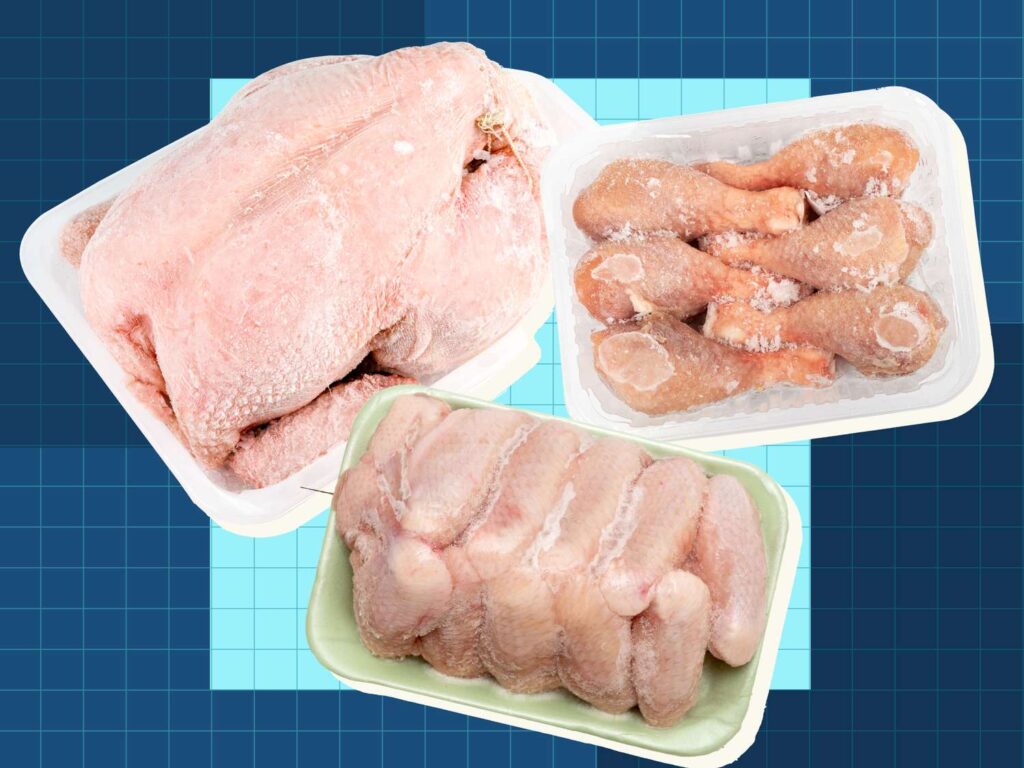
Why Freezing Chicken Properly Matters
In the poultry export industry, best practices for freezing chicken play a crucial role in maintaining product quality, food safety, and customer trust. Whether it’s chicken breast, wings, or thighs, proper freezing techniques help preserve flavor, extend shelf life, and ensure compliance with international food standards.
Incorrect freezing can lead to freezer burn, moisture loss, and contamination — all of which can reduce the value of your product. That’s why exporters, suppliers, and food businesses must follow industry-approved freezing procedures.
Step 1: Choosing the Right Freezing Method
Different freezing methods deliver different results. The faster and more controlled the freezing, the better the meat’s texture and taste will be once thawed.
✅ Common Freezing Methods:
-
IQF (Individually Quick Frozen): Ideal for wings, thighs, and boneless breast pieces. Rapid freezing prevents ice crystal formation.
-
Blast Freezing: Common in large-scale meat processing, ensures uniform freezing at -18 °C or below.
-
Plate Freezing: Suitable for packed cartons or vacuum-sealed products, maintaining flat, compact shapes.
Tip: IQF freezing is widely used by exporters in Brazil and United States to meet premium quality standards.
Step 2: Preparing Chicken Before Freezing
The freezing process begins long before the product enters the freezer. Proper preparation prevents contamination and ensures optimal freezing results.
-
Chill the meat to just above freezing point before freezing.
-
Remove excess blood, feathers, or debris.
-
Trim off unwanted fat if needed.
-
Sort cuts by type — breast, wings, thighs — to streamline packaging.
-
Use sanitized equipment and a clean environment.
Hygienic handling is essential for both domestic sales and export certification.
Step 3: Proper Packaging for Frozen Chicken
Packaging plays a key role in preventing freezer burn, contamination, and moisture loss.
Recommended Packaging Options:
-
Vacuum Sealing: Removes air, prevents ice buildup, and extends shelf life.
-
Food-grade Plastic or Poly Bags: Cost-effective for bulk freezing.
-
Cartons with Poly Liners: Common for export shipments.
-
Labeling: Include cut type, packing date, weight, and halal certification (if applicable).
Always package immediately after chilling to maintain freshness before freezing.
️ Step 4: Temperature Control and Storage
Maintaining a constant freezing temperature is the backbone of meat preservation.
-
Keep storage at -18 °C or lower.
-
Use temperature monitoring systems with alarms.
-
Avoid frequent door openings in cold rooms.
-
Store chicken cuts in a single layer or stacked properly to allow even airflow.
-
Rotate stock using FIFO (First In, First Out) method.
Temperature fluctuations can lead to thawing and refreezing, causing texture loss and bacterial growth.
Step 5: Specific Freezing Tips for Each Chicken Cut
Different cuts freeze differently — here’s how to handle each one for best results:
Chicken Breast
-
Ideal for IQF or plate freezing.
-
Remove surface moisture before packing.
-
Freeze flat for uniform freezing.
-
Avoid stacking too many layers at once.
Chicken Wings
-
Spread wings out to prevent sticking.
-
Freeze in smaller portions for easy handling.
-
Use vacuum sealing to maintain shape and prevent freezer burn.
Chicken Thighs
-
Trim excess fat before packing.
-
Separate pieces to prevent clumping.
-
Maintain proper freezing speed to preserve texture.
Pro tip: Pre-freezing chicken cuts for 15–20 minutes before vacuum sealing can improve final product quality.
Step 6: Transportation and Cold Chain Maintenance
Freezing is just the first step. To maintain quality, exporters must ensure cold chain integrity during transportation.
-
Use reefer containers or refrigerated trucks.
-
Monitor temperature throughout transit.
-
Avoid thawing during loading and unloading.
-
Work with experienced cold logistics partners.
Importing countries such as Saudi Arabia, United Arab Emirates, and European Union require strict cold chain documentation.
Step 7: Regulatory Compliance & Certification
Proper freezing methods support compliance with:
-
Codex Alimentarius Commission meat safety standards
-
World Organisation for Animal Health (WOAH) regulations
-
ISO 22000 and HACCP food safety systems
-
Halal certification requirements for Muslim markets
Compliance builds trust with importers and helps exporters avoid costly shipment rejections.
Benefits of Following Best Freezing Practices
| Benefit | Impact |
|---|---|
| Better Product Quality | Retains texture, flavor, and juiciness |
| ️ Improved Food Safety | Prevents bacterial growth |
| Reduced Waste | Minimizes product loss during shipping |
| Longer Shelf Life | Ideal for export markets |
| Market Compliance | Meets global regulations and standards |
Quality Freezing = Quality Exports
Proper freezing isn’t just about keeping chicken cold — it’s about delivering high-quality, safe, and compliant products to your customers worldwide.
By following these best practices for freezing chicken, exporters and producers can:
-
Preserve freshness and texture
-
Prevent spoilage and loss
-
Strengthen buyer trust
-
Meet international standards with confidence
Whether you’re freezing chicken breast, wings, or thighs, a strong freezing process is the foundation of a successful poultry export business.
 Spanish
  English