
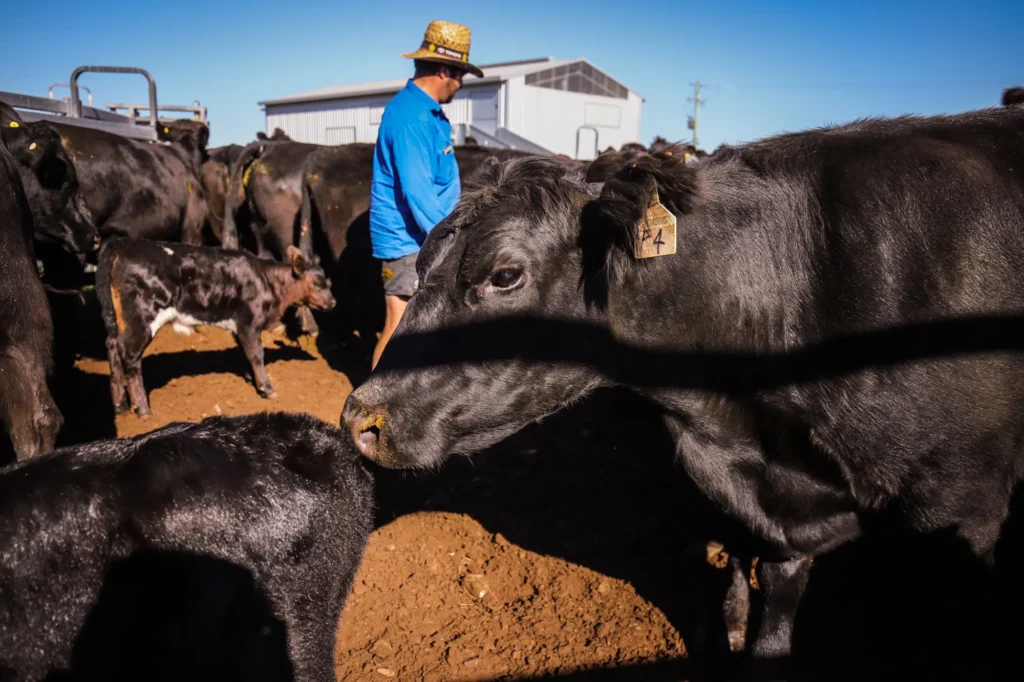
When it comes to the largest beef exporters, Australia consistently ranks among the top three globally. Known for its high-quality beef, strong regulatory frameworks, and advanced supply chain, Australia has become a trusted supplier for major markets like China, Japan, United States, and the Middle East.
This case study explores the key factors behind Australia’s dominance in the beef export market — from production strategies and quality assurance to trade agreements and brand reputation.
1. Strong Livestock Industry Foundation
Australia’s journey to becoming one of the largest beef exporters began with its strong and well-managed livestock sector.
-
The country is home to over 24 million cattle, spread across vast grazing lands.
-
Its unique climate allows for year-round cattle farming, ensuring steady supply.
-
Advanced breeding and feeding techniques support high-quality beef production.
Australia’s commitment to sustainable livestock farming has built global trust and reliability.
2. High Standards of Meat Quality & Safety
International buyers prefer Australian beef because of its strict quality and safety standards. The country enforces rigorous controls across the entire production chain.
Quality Assurance Programs:
-
Meat Standards Australia (MSA) grading system ensures consistent eating quality.
-
HACCP and ISO 22000 certifications guarantee food safety.
-
Export abattoirs are regulated and audited by the Department of Agriculture, Fisheries and Forestry (Australia).
-
Hormone Growth Promotant (HGP)-free and organic beef options attract premium markets.
✅ These standards give Australian exporters an edge in demanding premium markets like the EU and Japan.
3. Advanced Cold Chain & Export Infrastructure
Another pillar of Australia’s beef export success is its robust cold chain logistics.
-
The country uses state-of-the-art freezing technology to preserve freshness.
-
Reefer containers maintain stable temperatures during long-distance shipping.
-
Ports like Port of Brisbane and Port of Melbourne are optimized for meat exports.
-
Integrated tracking systems ensure end-to-end traceability.
With an efficient cold chain, Australian beef reaches distant markets with its quality intact.
4. Strategic Trade Agreements & Market Access
Australia has secured numerous free trade agreements (FTAs) that give it favorable access to key markets.
Major Beef Export Destinations:
-
China – Australia is one of China’s largest beef suppliers.
-
Japan – Long-standing trade partnerships.
-
United States – Strong demand for lean beef.
-
Middle East – Growing demand for Halal-certified beef.
These agreements reduce tariffs and create a stable export environment for beef producers.
5. Halal Certification & Market Diversification
Australia is also a leading exporter of Halal-certified beef, meeting the growing demand from the Middle East and parts of Asia.
-
Slaughterhouses follow Halal standards certified by approved Islamic bodies.
-
Products are labeled clearly for export compliance.
-
Halal beef exports have opened new market segments in United Arab Emirates, Saudi Arabia, and Indonesia.
This diversification strategy has strengthened Australia’s position among the largest beef exporters.
6. Branding & Reputation of Australian Beef
Australian beef has become a global brand synonymous with:
-
High quality
-
Natural grass-fed production
-
Sustainable farming practices
-
Reliable supply chains
Many importers specifically seek “Product of Australia” labels because they associate it with premium meat.
Brand reputation plays a key role in maintaining high demand and competitive pricing.
7. Export Volumes & Global Ranking
-
Australia exports over 70% of its total beef production.
-
Annual beef export volume exceeds 1 million metric tons.
-
The country is consistently ranked among the top 3 beef exporters, alongside Brazil and United States.
-
Export value reaches billions of dollars annually, contributing significantly to the national economy.
This scale of export reflects both strong domestic production and well-planned international strategy.
8. Sustainability and Animal Welfare
Modern buyers — especially in Europe and North America — prioritize sustainability. Australia has responded with:
-
Carbon reduction programs in beef production.
-
Grass-fed and organic beef certification.
-
Strict animal welfare laws.
-
Investment in eco-friendly supply chains.
♻️ This commitment helps Australian exporters access premium markets and meet evolving buyer expectations.
Lessons for Other Beef Exporters
| Strategy | Export Advantage |
|---|---|
| Strong quality control | Builds importer trust and repeat business |
| Cold chain investment | Maintains freshness across long distances |
| Trade agreements | Ensures stable market access and reduced tariffs |
| Certification & traceability | Opens premium and Halal markets |
| Brand building | Creates recognition and pricing power |
Australia’s Strategic Edge in Beef Exports
Australia’s rise as one of the largest beef exporters is no accident. It’s the result of strategic investment, strict quality control, market diversification, and strong branding.
By combining world-class infrastructure with transparent certification and global partnerships, Australia has built a blueprint for sustainable success in the beef export industry.
For other exporters aiming to expand globally, Australia’s model offers valuable lessons in quality, trust, and strategy.
Frozen Beef Export: Cuts, Quality, Packaging
Quality Meat: What Buyers Demand from Exporters
 English
  Spanish