
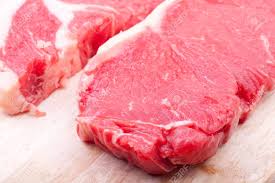
The procurement of high-quality beef ribs—known in Brazil as Costela—represents a cornerstone of the international protein trade. As we navigate the 2026 market, global B2B buyers increasingly target Brazilian ribs due to their exceptional marbling and structural integrity. Because this cut serves as a primary item for high-end BBQ, traditional Korean Galbi, and industrial processing, mastering the technical nuances of rib fabrication is essential for maintaining a competitive edge. Consequently, Brazil has standardized its SIF-certified production to provide a variety of cuts, ranging from meaty Short Ribs to flavor-dense Back Ribs.
At GlobalExporter-BR, we connect international procurement officers with Brazil’s most technologically advanced processing facilities. We understand that your profitability depends on the exactness of the “Bone-in” vs. “Boneless” specifications. To learn more about our broader commitment to excellence in the global food supply chain, you can visit our official profile on Medium.
1. Anatomy and Classification
The beef ribs originate from the Rib primal (Forequarter), spanning from the 6th to the 12th rib of the animal. Because these muscles assist in respiration and provide structural support, they feature a rich interweaving of muscle and intramuscular fat.
The Three Primary Rib Categories
Brazilian exporters typically categorize beef ribs into three distinct technical specifications:
-
Short Ribs (Janela): These come from the plate and brisket area. They contain a high concentration of marbling and a thick layer of meat over the bone. Specifically, these are the gold standard for slow-braising and smoking.
-
Back Ribs (Costela do Traseiro): These remain after the butcher removes the Beef Striploin or Ribeye. While they have less meat on top, the meat between the bones is exceptionally flavorful.
-
Chuck Short Ribs: Originating from the first five ribs, these offer a smaller, more uniform shape ideal for portion-controlled retail packaging.
Furthermore, the presence of bone significantly enhances the flavor profile during cooking. As the marrow and connective tissue heat up, they release gelatin and savory compounds. This process results in the rich, succulent experience that defines premium beef ribs.
2. Technical Export Specifications (The Trim)
Brazilian packers offer beef ribs in several standardized configurations. Your choice of specification determines your final yield and the target culinary application.
Flanken-Style vs. English-Cut
-
Flanken-Style: The saw cuts across the bones, resulting in thin strips containing multiple bone cross-sections. This is specifically used for Korean BBQ (Galbi).
-
English-Cut: The butcher cuts the ribs parallel to the bone. Consequently, you receive thick, meaty rectangular blocks, which are the preferred choice for Western-style braising.
Boneless Rib Meat
For industrial manufacturers producing high-end burgers or sausages, we provide “Boneless Rib Meat.” Specifically, this product offers an ideal 70/30 or 80/20 lean-to-fat ratio. For a technical breakdown of how we measure the fat quality in these cuts, refer to our Beef Marbling Guide.
3. The SIF and Sanitary Protocol
Because beef ribs involve bone-in processing, maintaining absolute sanitary integrity is paramount to prevent spoilage near the bone. Accordingly, the SIF (Serviço de Inspeção Federal) implements rigorous monitoring.
-
Pathogen Testing: Bone-in cuts have more surface area exposed during fabrication. Consequently, SIF inspectors conduct frequent swabs to ensure a sterile environment.
-
Cold Chain Precision: Facilities must chill the ribs to a core temperature of below 4°C immediately after fabrication. This prevents “bone-taint,” a condition where bacteria grow in the marrow. Therefore, our SIF-certified plants use high-speed blast chillers to ensure product safety.
4. 2026 Logistics: Frozen for Global Stability
Shipping beef ribs internationally requires a strategic approach to packaging and preservation.
The Role of Blast Freezing
Most international shipments of beef ribs travel as blast-frozen cargo. Because the fat content in ribs is high, they withstand the freezing process exceptionally well without losing moisture. Specifically, our plants reach a core temperature of -18°C rapidly to lock in the flavor for up to 24 months.
Packaging for B2B
-
Vacuum Shrink Bags: We pack each rib section in high-micron shrink film to prevent bone-puncture.
-
Carton Integrity: Because bone-in products are heavy and sharp, we use double-walled corrugated master cartons. Consequently, the product remains protected during the 35-day sea voyage to major ports in Asia and the Middle East.
21 Frequently Asked Questions (FAQs) About Beef Ribs
1. What is the Brazilian name for Beef Ribs?
In Brazil, beef ribs are called Costela.
2. Is the “Short Rib” different from the “Back Rib”?
Yes. Short ribs come from the lower plate and are meatier. Back ribs come from the top rib primal and have meat mostly between the bones.
3. What is the best culinary use for beef ribs?
They are ideal for smoking (BBQ), slow-braising, and traditional Korean BBQ (Flanken-cut).
4. What is the “Janela” cut?
The Janela is the premium “window” section of the short ribs, known for its high meat content and uniform bone length.
5. Why are bone-in ribs more flavorful?
The bone contains marrow and collagen that melt into the meat during cooking, providing a deeper flavor and silkier texture.
6. Are Brazilian beef ribs Halal certified?
Yes. GlobalExporter-BR sources exclusively from SIF-certified plants that maintain 100% Halal certification.
7. What is the typical weight of a 3-bone Short Rib block?
A standard export-grade 3-bone block typically weighs between 1.5kg and 2.5kg.
8. Why is the fat cap important on beef ribs?
The fat cap provides moisture during long cooking times and carries the fat-soluble flavor compounds.
9. What is “Bone Taint”?
It is a rare bacterial spoilage that occurs deep near the bone if the meat is not chilled rapidly enough. Our SIF plants prevent this through advanced cooling tech.
10. Can I buy boneless beef ribs?
Yes. We offer boneless rib meat, which is highly prized for premium ground beef blends.
11. What is the shelf life of frozen beef ribs?
When maintained at -18°C, frozen beef ribs have a shelf life of 24 months.
12. How do you prevent bone punctures in the vacuum bags?
We use specialized, puncture-resistant “bone-guard” shrink film and protective plastic caps for sharp edges.
13. What is the Minimum Order Quantity (MOQ)?
The standard MOQ is one 40ft reefer container (approx. 27-28 tonnes).
14. Can I request a specific number of bones (e.g., 4-bone vs 5-bone)?
Yes. We can calibrate the cut length and bone count to meet your specific retail or foodservice requirements.
15. Is Brazilian beef rib grass-fed or grain-fed?
We offer both. Grain-finished ribs are preferred for the “Premium BBQ” market due to higher marbling.
16. What is the difference between “Flanken” and “English” cuts?
Flanken is cut across the bone (thin); English is cut parallel to the bone (thick).
17. How is the product packaged for export?
Most are Individually Vacuum Packed (IVP), with 4 to 6 sections per master carton.
18. Does Brazil use growth hormones?
No. The use of growth hormones is strictly prohibited by Brazilian law and monitored by federal SIF inspectors.
19. How do you calculate the yield of beef ribs?
Yield depends on the trim. “Short-cut” ribs have a higher meat-to-bone ratio than standard ribs.
20. How does the price compare to the Brisket?
Beef ribs are often priced similarly to the Beef Brisket, depending on the level of marbling.
21. How do I get a price quote for a bulk order?
Visit the contact page on GlobalExporter-BR and provide your destination port and required “bone-count” specification.
 English
  Spanish