
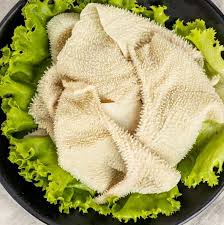
The procurement of beef omasum—known in Brazil as the Folhoso—represents one of the most specialized and lucrative sectors of the international variety meat trade. In 2026, global demand for high-quality, salted omasum remains concentrated in the Asian markets, particularly in China and Vietnam. Because the omasum features a unique internal structure of thin, leaf-like folds, it offers a texture that is unparalleled by other variety meats like Beef Honeycomb Tripe. Mastering the technical drying and salting specifications of this cut is essential for maintaining product integrity during long-haul transit. Consequently, Brazil has optimized its SIF-certified facilities to deliver a highly standardized product that prioritizes weight-retention and structural crispness.
At GlobalExporter-BR, we connect international procurement officers with Brazil’s most efficient offal processing plants. We recognize that your profitability depends on the technical precision of the “Cleaning-ratio” and the “Moisture-content” protocols. To learn more about our broader commitment to excellence in the global food supply chain, you can visit our official profile on Medium.
1. Anatomy and Technical Performance
The beef omasum originates from the third stomach compartment of the bovine digestive system. Its distinctive nickname, “the book tripe,” stems from the many thin, muscular folds that resemble the pages of a book.
The Texture and Surface Dynamics
The primary value of beef omasum lies in its “snappy” texture. Specifically, the thin leaves provide a high surface area that absorbs seasoning and sauces with exceptional efficiency. Furthermore, because these folds consist of dense muscular tissue, the omasum maintains its crunch even after high-heat processing. Consequently, it is the premier choice for Asian hot-pots and traditional Cantonese Dim Sum. Notwithstanding its delicate appearance, the omasum requires rigorous cleaning to remove digestive enzymes. For a technical comparison of how these differ from other variety meats, refer to our Beef Tongue Technical Guide.
2. Technical Export Specifications (The Processing)
Brazilian packers offer beef omasum in several standardized configurations. Your choice of specification determines your final yield and the stability of the product during sea voyages.
Salted Omasum (Standard Export)
This represents the global standard for B2B trade. After thorough cleaning, the processors treat the omasum with food-grade salt and allow it to dry to a specific moisture percentage. Specifically, the salt acts as a natural preservative and ensures the “leaves” remain separated. Consequently, you receive a product that is shelf-stable in temperature-controlled reefers.
Cleaned and Frozen Omasum
In this configuration, the packer cleans the omasum using only high-pressure water and mechanical scrubbing before blast-freezing it. Consequently, the product maintains its natural color. Nevertheless, the buyer must account for a shorter shelf life compared to salted varieties. For a technical breakdown of how we evaluate quality, refer to our Beef Offal Export Guide.
3. The SIF and Sanitary Protocol
Because beef omasum has a complex internal structure, maintaining absolute sanitary integrity is paramount to prevent microbial growth between the folds. Accordingly, the SIF (Serviço de Inspeção Federal) implements rigorous monitoring at every stage.
-
Internal Flushing: Inspectors verify that processors use high-pressure, chilled water to flush between every “leaf.” Consequently, you receive a product free from sand, feed residue, or bitterness.
-
Moisture and Weight Verification: For salted omasum, SIF technicians monitor the salt-to-meat ratio. Specifically, they ensure the product does not exceed international moisture limits, which prevents spoilage. Furthermore, every carton carries a SIF stamp and a unique barcode for 100% farm-to-table traceability.
4. 2026 Logistics: Ensuring Product Stability
Shipping beef omasum internationally requires a strategic approach to temperature management to protect the delicate leaves from “mushing.”
Temperature-Controlled Reefer Transport
Most international shipments of beef omasum travel in refrigerated containers set to -18°C. Specifically, our plants use blast-freezing technology to lock in the structural integrity of the folds before loading. Because the omasum is dense, it withstands the transit well if packed correctly.
Packaging for B2B
-
Bulk Poly-lined Cartons: We typically pack omasum in 15kg or 20kg master cartons with heavy-duty internal liners to prevent salt leakage.
-
Master Carton Integrity: We use reinforced corrugated boxes. Specifically, this ensures the product remains protected during the 35-day sea voyage to major ports like Hong Kong, Haiphong, or Shenzhen.
21 Frequently Asked Questions (FAQs) About Beef Omasum
1. What is the Brazilian name for Beef Omasum?
In Brazil, it is known as Folhoso or Bucho de Folhas.
2. Why is it called “Book Tripe”?
It is called book tripe because the internal folds look like the pages of a book.
3. What is the best culinary use for beef omasum?
It is the premier choice for Asian hot-pots, stir-fries, and dim sum dishes.
4. What is the difference between Omasum and Honeycomb Tripe?
Omasum has thin leaves, while honeycomb tripe has a geometric, beehive-like pattern. Omasum is crunchier, whereas honeycomb is softer.
5. Why is the omasum salted for export?
Salt acts as a preservative and helps maintain the “crunch” of the leaves during long-distance shipping.
6. Are Brazilian beef omasums Halal certified?
Yes. GlobalExporter-BR sources exclusively from SIF-certified plants that maintain 100% Halal certification.
7. What is the typical weight of a single beef omasum?
A standard export-grade omasum typically weighs between 1.0kg and 2.5kg.
8. Why is the color of the omasum dark gray or black?
The natural color is dark due to the digestive lining. However, it can be bleached to a white color upon request.
9. Does the omasum contain any bone?
No. The beef omasum is 100% muscular stomach tissue.
10. How do you prevent the omasum from being “rubbery”?
The omasum requires a very short cooking time (seconds in a hot-pot) to maintain its crunch. Overcooking makes it rubbery.
11. What is the shelf life of frozen beef omasum?
When maintained at -18°C, frozen beef omasum has a shelf life of 24 months.
12. Can I buy un-salted (frozen) omasum?
Yes. We offer both salted and unsalted frozen omasum, depending on your market’s regulatory requirements.
13. What is the Minimum Order Quantity (MOQ)?
The standard MOQ is one 40ft reefer container (approx. 27–28 tonnes), which can be mixed with other offal.
14. What is the “Cleanness Ratio”?
It refers to the amount of fat and residue removed from the exterior of the omasum. Premium specs are “99% Clean.”
15. Is Brazilian omasum grass-fed?
Most Brazilian omasum comes from grass-fed cattle, which is preferred for its natural, clean flavor profile.
16. What is the difference between Omasum and Beef Shank?
Omasum is a stomach compartment with folds; the shank is a leg muscle with high collagen.
17. How is the product packaged for export?
Most are bulk-packed in 20kg poly-lined cartons or vacuum-packed upon specific request.
18. Does Brazil use growth hormones?
No. The use of growth hormones is strictly prohibited by Brazilian law and monitored by federal SIF inspectors.
19. How do you calculate the yield of salted omasum?
After washing the salt away, salted omasum typically provides a yield of 80-85% of its shipped weight.
20. How does the price compare to Beef Liver?
Beef omasum is significantly more expensive than Beef Liver due to high demand in Asia.
21. How do I get a price quote for a bulk order?
Visit the contact page on GlobalExporter-BR and provide your destination port and required “Salted vs. Frozen” ratio.
 English
  Spanish