
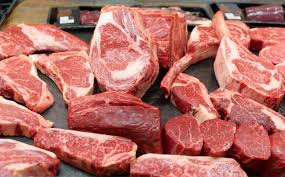
The procurement of beef neck meat—known in the Brazilian trade as Pescoço—represents a strategic move for B2B buyers seeking high-flavor, high-collagen primals at a competitive price point. In the 2026 global market, Brazil continues to dominate the export of this versatile cut, serving as a primary supplier to the Middle East, Southeast Asia, and China. Because the neck meat offers a unique combination of lean muscle fibers and deep connective tissue, it serves as the foundation for industrial food processing, institutional catering, and traditional slow-cooked delicacies. Consequently, understanding the technical specifications of Brazilian beef neck meat is essential for any professional procurement officer aiming to optimize yield and product quality.
At GlobalExporter-BR, we connect international buyers with Brazil’s most technologically advanced processing facilities. We recognize that your profitability depends on the technical precision of the “Boneless” vs. “Bone-in” specifications and the integrity of the sanitary process. To learn more about our broader commitment to transparency in the global food supply chain, you can visit our official profile on Medium.
Alt Text: Premium Brazilian beef neck meat (Pescoço), vacuum-packed for international B2B export.
1. Anatomy and Industrial Performance
The beef neck meat originates from the cranial section of the animal, specifically the region extending from the first cervical vertebra to the start of the shoulder (chuck). Anatomically, it consists of several highly active muscle groups that support the animal’s head.
The Power of Connective Tissue
The primary value of beef neck meat lies in its collagen density. Specifically, the neck performs constant mechanical work, resulting in thick muscle fibers and abundant connective tissue. Furthermore, when processors subject this meat to moist heat, the collagen converts into gelatin. This transformation creates a succulent mouthfeel and a rich, velvety texture that leaner, “noble” cuts cannot replicate. Consequently, industrial manufacturers prioritize the neck for high-quality canned stews, sausages, and beef extracts. Notwithstanding its initial toughness, the cut possesses a high concentration of iron and B vitamins, making it a nutritional powerhouse for the mass-market retail sector.
Alt Text: Technical diagram showing the anatomical position of the beef neck meat on a Brazilian cattle carcass.
2. Technical Export Specifications (The Trim)
Brazilian packers offer beef neck meat in several standardized configurations. Your choice of specification determines your final industrial yield and the consistency of your end-product.
Boneless Neck Meat (Standard Export)
In the standard boneless configuration, the butcher removes the cervical vertebrae and ligamentum nuchae (the heavy neck ligament). Specifically, this spec provides a 90CL to 95CL (Chemical Lean) product. Consequently, you receive a high-yield material ideal for dicing or grinding into premium burger blends. Furthermore, we often calibrate these into weight ranges (e.g., 2kg–4kg) to ensure uniformity in your manufacturing lines.
Industrial Neck (Carne Industrial)
For large-scale food manufacturers, we offer “Carne Industrial” grade neck meat. This specification includes smaller trimmings and cuts that provide a higher fat-to-lean ratio. Specifically, this grade excels in the production of corned beef and industrial meat blocks. For a technical breakdown of how we evaluate the quality of these muscles compared to other forequarter cuts, refer to our Beef Chuck Eye Roll Technical Guide.
3. The SIF and Sanitary Protocol for Global Access
Because beef neck meat is often used in grinding and dicing, maintaining absolute microbiological integrity is paramount. Accordingly, the SIF (Serviço de Inspeção Federal) implements rigorous monitoring at every stage.
-
Pathogen Prevention: Inspectors conduct frequent surface swabs on the cranial fabrication lines to ensure a sterile environment. Consequently, you receive a product with exceptionally low microbial counts, which is vital for maintaining a 120-day chilled shelf life.
-
Halal and Kosher Compliance: Brazil leads the world in Halal-certified beef exports. Specifically, our SIF-certified plants utilize specialized “Sangria” (bleeding) techniques that meet strict religious requirements. Therefore, our beef neck meat qualifies for the most sensitive markets in the GCC and beyond. Furthermore, every carton carries a SIF stamp and a unique barcode for 100% farm-to-table traceability.
4. 2026 Logistics: Optimizing the Supply Chain
Shipping beef neck meat internationally requires a strategic approach to freezing to ensure the connective tissue remains stable during transit.
Frozen vs. Chilled
-
Frozen (Industrial and Manufacturing): Most international shipments of beef neck meat travel as blast-frozen cargo. Specifically, our plants use tunnel freezers to reach a core temperature of -18°C rapidly, providing a 24-month shelf life.
-
Chilled (Institutional Catering): Conversely, for markets requiring “fresh” slow-roast components, we ship chilled vacuum-packed neck meat. Similar to our Beef Striploin, these undergo “wet aging” during the 35-day sea voyage. Consequently, the natural enzymes begin to soften the fibers by the time it reaches your warehouse.
Alt Text: Logistics and loading of frozen Brazilian beef neck meat for international B2B export.
21 Frequently Asked Questions (FAQs) About Beef Neck Meat
1. What is the Brazilian name for Beef Neck Meat?
In the Brazilian meat trade, it is called Pescoço. It is often associated with the Acém (Chuck) primal.
2. Is the neck meat a tender cut?
No. It is a tough muscle with high collagen content. However, it becomes exceptionally tender and succulent when slow-cooked or braised.
3. What is the best culinary use for beef neck meat?
It is ideal for beef stews (like Beef Bourguignon), pot roasts, dicing for pies, and traditional hearty soups.
4. What is “Carne Industrial”?
It refers to a grading of meat primarily used by manufacturers for sausages, canned meat, and industrial patties rather than direct retail steaks.
5. Why is the neck meat popular in the Middle East?
Its high flavor profile and excellent performance in slow-cooked traditional dishes make it a favorite. Furthermore, Brazil provides reliable Halal certification.
6. Are Brazilian beef neck meats Halal certified?
Yes. GlobalExporter-BR sources exclusively from SIF-certified plants that maintain 100% Halal certification for international markets.
7. What is the typical weight of a boneless beef neck primal?
Export-grade boneless neck muscles generally weigh between 2.5kg and 5.0kg per piece.
8. Why is the color of the neck meat deep red?
As a hard-working muscle group with high blood flow, it contains high levels of myoglobin, resulting in a richer, darker red color.
9. Does the neck meat contain bone?
Standard export specifications are 100% boneless. However, bone-in neck can be supplied for specific “Neck Bone” retail markets.
10. How do you prevent the meat from being too tough in stews?
Slow-cooking at low temperatures for 3 to 4 hours allows the collagen to fully convert into gelatin, which tenderizes the meat.
11. What is the shelf life of frozen beef neck meat?
When maintained at -18°C, frozen beef neck meat has a shelf life of 24 months.
12. Does it contain intramuscular fat (marbling)?
The neck has moderate intramuscular fat but is primarily known for its “seam fat” and connective tissue.
13. What is the Minimum Order Quantity (MOQ)?
The standard MOQ is one 40ft reefer container (approx. 27–28 tonnes).
14. Can I request a specific fat trim (CL)?
Yes. We typically supply 90CL or 95CL specifications for industrial dicing and grinding.
15. Is Brazilian neck meat grass-fed or grain-fed?
We offer both. Grass-fed neck meat is highly sought after for its lean protein profile and mineral density.
16. What is the difference between Neck Meat and Beef Shank?
Both are high-collagen cuts, but the neck meat has a broader fiber structure and a more intense “beefy” flavor compared to the shank.
17. How is the product packaged for export?
Most are Individually Vacuum Packed (IVP) or “Bulk Packed” in poly-lined 25kg master cartons.
18. Does Brazil use growth hormones?
No. The use of growth hormones is strictly prohibited by Brazilian law and monitored by federal SIF inspectors.
19. How do you calculate the yield of a boneless neck?
A boneless, trimmed neck provides nearly 100% usable yield for industrial grinding or dicing.
20. How does the price compare to the Beef Topside?
The beef neck meat is significantly more affordable than the topside, offering excellent value for price-sensitive industrial clients.
21. How do I get a price quote for a bulk order?
Visit the contact page on GlobalExporter-BR and provide your destination port and required “Chemical Lean” specification.
 English
  Spanish